How a city that had spent a century making steel started making something else
I don’t remember exactly what I expected to find in Sheffield. The truth is I hadn’t given the city much thought.
In 1996 I had been living in Cardiff for a few months. I had arrived with more enthusiasm than money and had ended up washing dishes at Melo’s Casa Mia, the restaurant of a Sicilian who had decided years earlier to move a small piece of Sicily to South Wales and seemed to have made a reasonable success of it.
My British musical education was happening rather fast.
The first time I heard jungle was in a taxi. The driver had dreadlocks, sang fragments of the lyrics and smoked a joint so generous it would have floored Lee “Scratch” Perry himself. I remember the fog inside the car more clearly than the streets on the other side of the window. When I asked him what it was, he simply answered:
“Jungle.”
Soon afterwards I started travelling to Bristol regularly. While Oasis and Blur filled the front pages and Cool Britannia sold the image of a country at peace with itself, there were Massive Attack, Tricky and all that dark music that seemed to tell a rather different British story. I went back to Cardiff with records I could barely afford and the feeling that the really interesting things were happening outside the centre of the photograph.
Then I met Mr. Aggleton. He owned a tiny second-hand record shop in Bristol whose name I have forgotten. He must have been about seventy and looked exactly like what he was: a regular at a Welsh pub. Corduroy trousers, brogues, thick glasses, a tweed jacket and that impossible smell of damp wool, stale beer and accumulated smoke that some clothes acquire after spending more time in bars than in wardrobes. If anyone had asked me what music he listened to, I would have said Welsh folk. I would have bet money on it. I would have lost that bet.
Mr. Aggleton knew more about jungle, Detroit techno, dub, krautrock, bossa nova, American punk and musique concrète than almost anyone I have met since. He never gave the impression of showing off. He simply had it all.
For weeks I talked to him about Bristol with the enthusiasm of the newcomer. He listened patiently. Until one afternoon he interrupted me.
“Yes. Bristol is important. Very important. But pay attention to Sheffield.”
I took it very seriously.
My first impression of Sheffield was that someone had switched off an enormous machine. It wasn’t exactly a grey city. It was brown, black, red. There were bricks that seemed to have soaked up for decades something the rain never managed to wash away: workshops, warehouses, chimneys, buildings far too big for the number of people who seemed to need them, as if the city had been built for a population that left before the plans were finished.
Some were still working. Others looked as if they had closed the week before. Others had been waiting for years for someone to come back. And through the middle of it all ran a new tram, yellow and blue, gliding silently past buildings that seemed to be still waiting for someone to reopen the factory on Monday morning. I remember that contradiction more sharply than almost anything else from that first day.
In 1996 I knew nothing about the deindustrialisation of Sheffield. I didn’t need to. You could see it.
Much later I found the figures. Between 1971 and 1993 Sheffield’s steel industry lost more than forty thousand jobs. What had employed roughly sixteen per cent of the city’s working population was reduced to a little over two per cent. But statistics have a problem: they always arrive afterwards. First there are the buildings. The empty lots. The pubs. The chimneys without smoke.
Then the historians arrive and put numbers on what everyone had been seeing for years. For generations Sheffield had been one of Britain’s great industrial cities. Steel, tools, cutlery, machinery. Its identity was built around a simple idea: making things.
When I arrived, that certainty was crumbling. Without knowing it, I had gone looking for exactly what was taking its place.
But statistics have a problem: they always arrive afterwards.
A record shop. As with many cities, I ended up understanding Sheffield through its shops.
In 1996 there was still a considerable difference between knowing the name of a record and being able to hear it. There was no Spotify, no YouTube, no Discogs, no practically infinite archive waiting inside your phone. Musical information circulated in fragments: a review, some credits, a sleeve, a tape, a recommendation. Then you had to find the music physically.
I got to Division Street and walked into Jack’s Records. It smelled of damp cardboard and overheated air. A record was playing. A dry bassline. A repetitive rhythm. Very little else. Next to the turntable there was a sleeve with a small WARP logo. “Track With No Name”. I didn’t know then that I was listening to the beginning of a story.
I went straight to a section marked in felt-tip pen:
ELECTRONIC / LOCAL.
There were records whose sleeves looked nothing like the ones I knew. No bands looking at the camera. Nothing that suggested a stage. Geometric shapes, uncomfortable colours, logos, aggressive typefaces. I picked up several. And then I found a different one.
On the cover an android slept in an armchair. Beside him lay Kraftwerk’s Autobahn and Pink Floyd’s The Dark Side of the Moon. The record was called Artificial Intelligence. The title struck me as slightly pretentious. Thirty years later, it strikes me as extraordinarily precise.
To understand why that record could exist in Sheffield you have to go back more than twenty years. But first it helps to dismantle an explanation that is too pretty. For a long time Sheffield’s electronic music has been told as an acoustic consequence of its industry: young people growing up among foundries who end up reproducing the noise of the factories with synthesisers. The image works too well. Probably that is why it has survived.
Among the protagonists themselves, the answer is not categorical. Richard H. Kirk, of Cabaret Voltaire, once said that “Everything people make here is very hard. Perhaps it does have something to do with the heritage”. A “perhaps” with factories in the background. Maybe the interesting question is not whether the factories produced that music, but how much of that heritage can really be heard and how much we add afterwards.
I put that same question to Winston Hazel, DJ, member of Forgemasters and one of the protagonists of WARP’s birth. His answer adds another position, that of someone who lived that scene from the inside:
“This relationship in our music with our industrial heritage, is inherent! I don’t believe that any of us who claim the influence of the heavy steel industry in our music was a conscious thing. We lived and breathed our environment and as a result, our lived experiences and our exposure to such a physical industrial upbringing manifests in all that we do. (the sounds, the smells, the grime, the bleakness) Even if we had tried to not sound industrial. We would still sound Industrial. It was never a matter of choice.”
A city doesn’t have to dictate the sound of its musicians in order to shape it. It can do it through boredom. The space available. Cheap buildings. The technologies in circulation. The people you know. The places where you can meet.
The things you want to escape from.
In the early seventies, Cabaret Voltaire began experimenting in Sheffield with tapes, noise, electronics, sound collages and techniques taken from territories that then seemed very far from rock. Soon afterwards The Human League, Clock DVA, Vice Versa and other projects appeared. They didn’t all sound the same. That is precisely what is interesting.
What they had in common wasn’t a genre. It was a disposition. The feeling that machines could be used to imagine something that didn’t yet exist. While one part of Sheffield kept making objects, another was beginning to experiment with signals.
A city doesn’t have to dictate the sound of its musicians in order to shape it.
Here it would be easy to draw a straight line: Cabaret Voltaire, The Human League, WARP, Aphex Twin. It would be a magnificent story. It would also be incomplete.
I asked Winston what gets left out when the story is told that way, in a straight line. His answer was less about omitted facts than about who decides what gets told:
“I’m not sure much does get left out. In any single version of a places history and culture, certain characters and event moments will always be highlighted over others. The problem is, if there is a problem, is that not everyone wants to give their own personal account of events and experiences. So, the same stories get told repeatedly. It’s a classic case of ‘who tells the story, owns the history.’”
What follows, in all likelihood, is one of the less repeated versions.
Because during the eighties something else happened. Records arrived. Funk. Soul. Electro. Hip-hop. Chicago house. Detroit techno. And around them grew a club culture in which Sheffield’s Black population played a fundamental role.
Sheffield’s Black population had spent decades building its own musical spaces: blues, reggae, soul, jazz-funk, electro. There were house parties, clubs, sound systems and a dance culture that didn’t need to wait for Cabaret Voltaire’s synthesisers in order to exist. In Wax Poetics, Hazel recalls venues such as Chatoos, where they practised their dance moves, and Turnups, a reggae venue with a massive sound system.
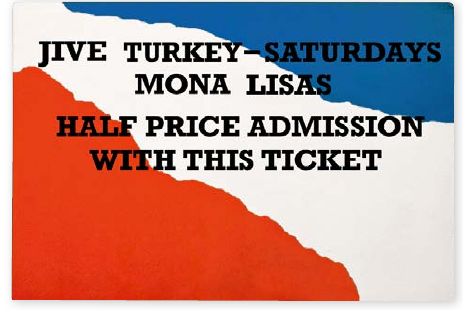
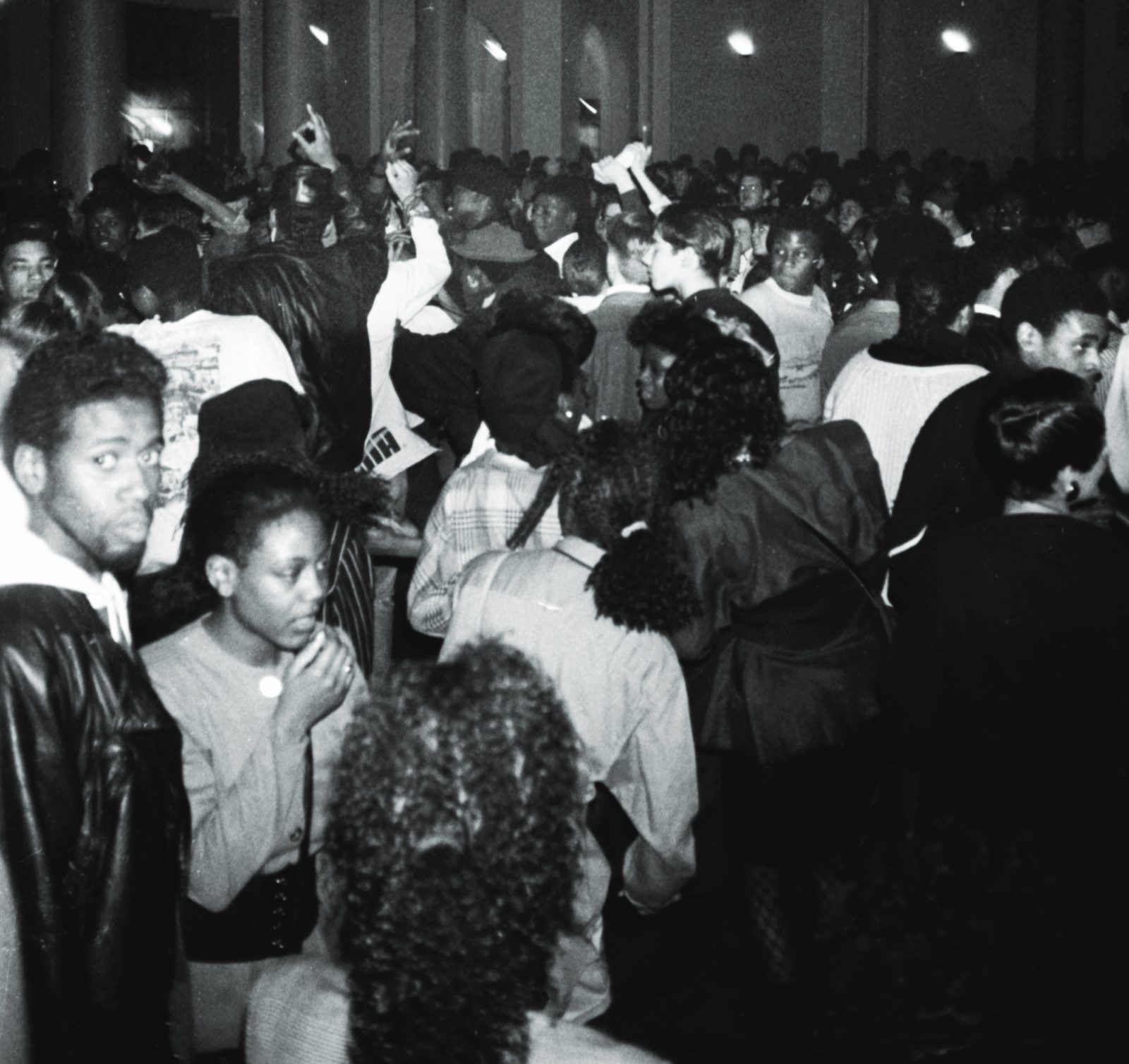
One of those places, the decisive one, was Jive Turkey. It began in 1985 at Mona Lisa’s, a Sheffield club. Richard Barratt, known as Parrot, was behind the decks; Winston came first as a dancer and ended up joining as a DJ. The British dance scene had spent years organising itself around all-dayers — whole days of dancing for soul and jazz-funk fans — and when that scene began to fade, Jive Turkey inherited a good part of its audience. Parrot began by mainly playing jazz, funk and soul; Winston introduced electro, street soul and the new releases he hunted for obsessively. Soon the Chicago and Detroit records arrived. The music changed as the imports came in, without anyone thinking it necessary to stop the session to announce the birth of a genre.
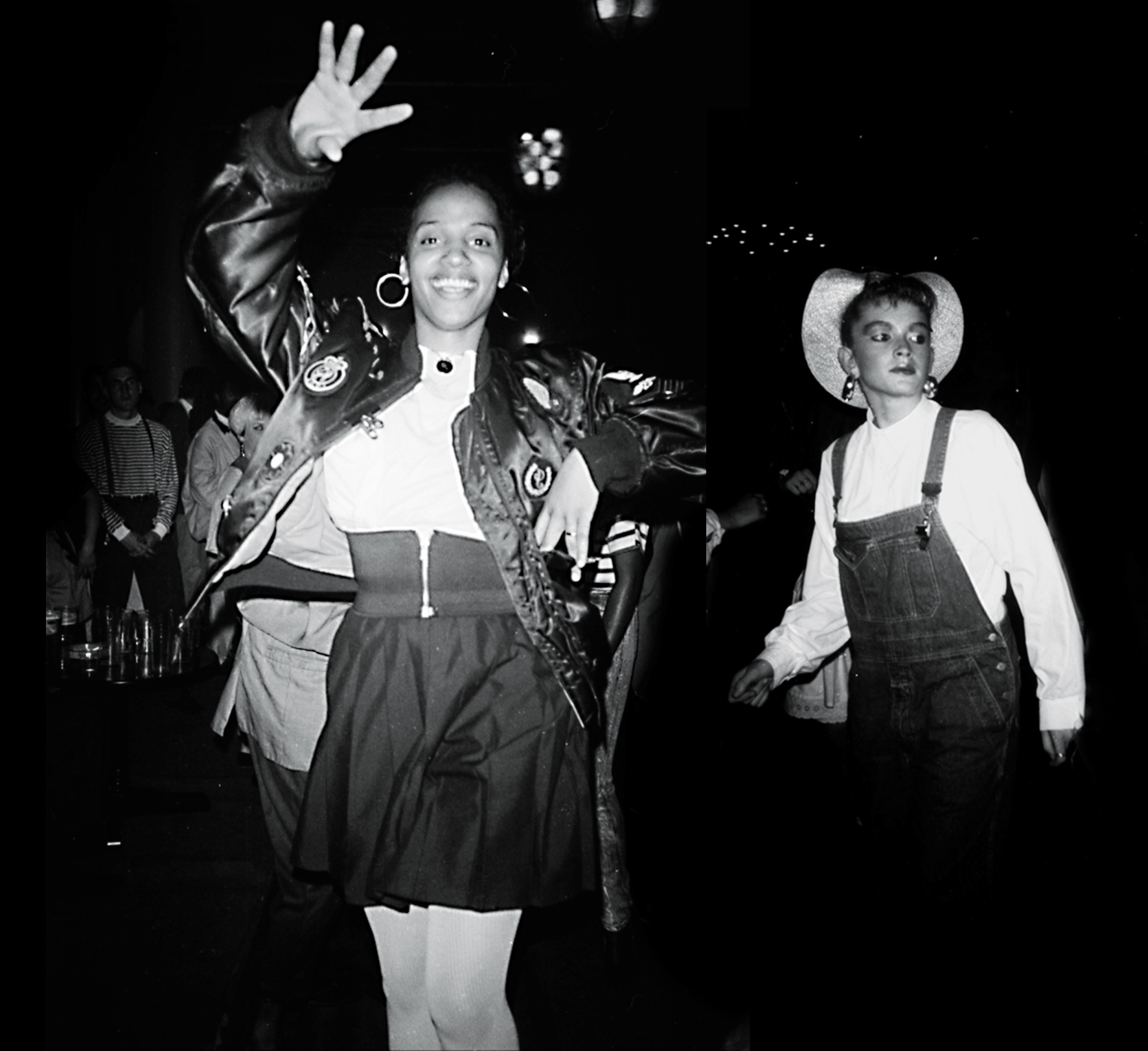
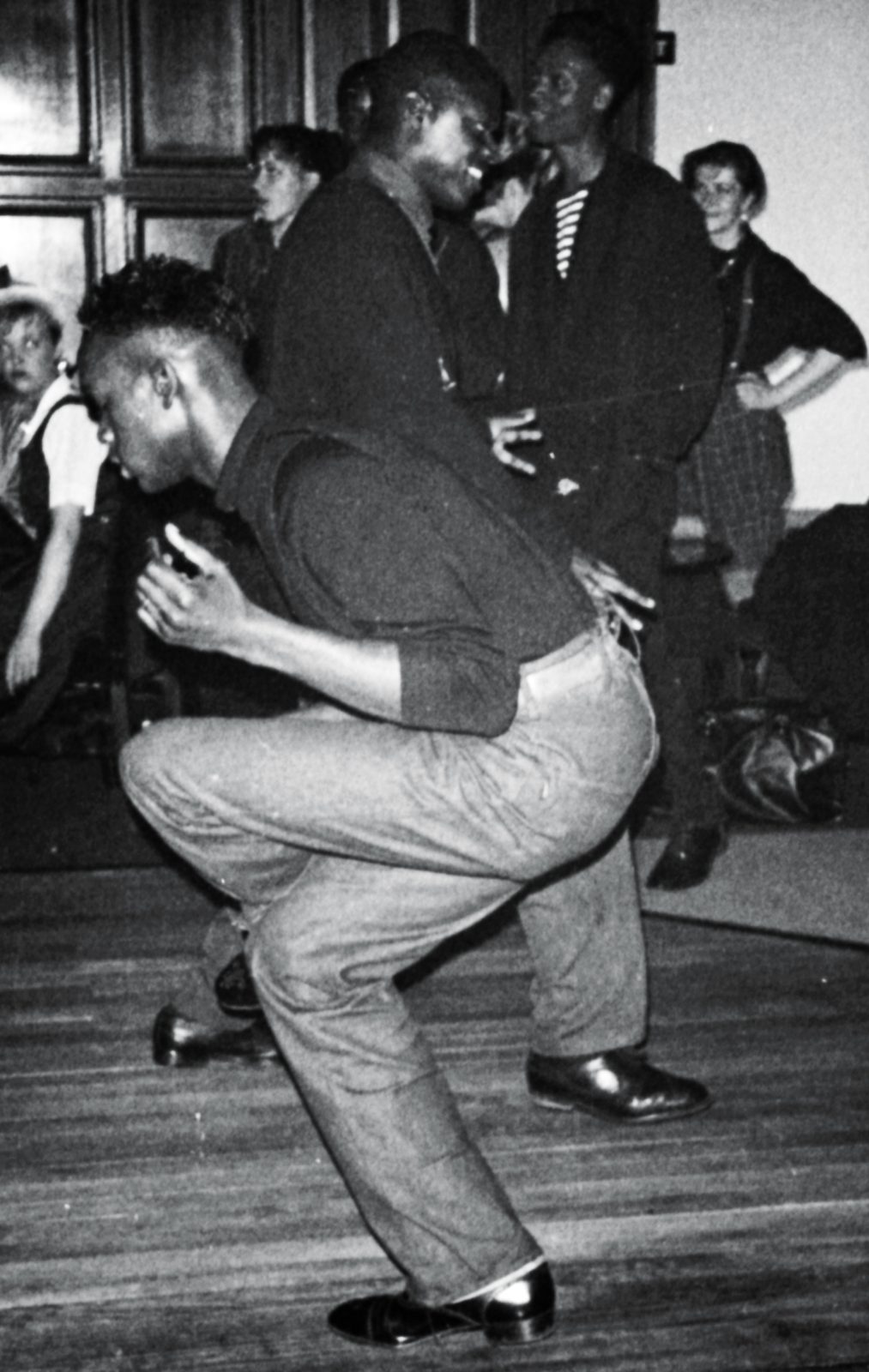
The gathering also had a racial dimension: according to The Guardian, the club suddenly found itself with a crowd that was half Black and half white, and the promoter Matt Swift has pointed to Winston as the decisive change. There are photographs of those nights: the ones Barbara Wasiak took show dancers absorbed in their movements, a packed room, people who had come to hear music and to meet other people. No synthesisers, factories or robots — the Sheffield that doesn’t usually open these stories.
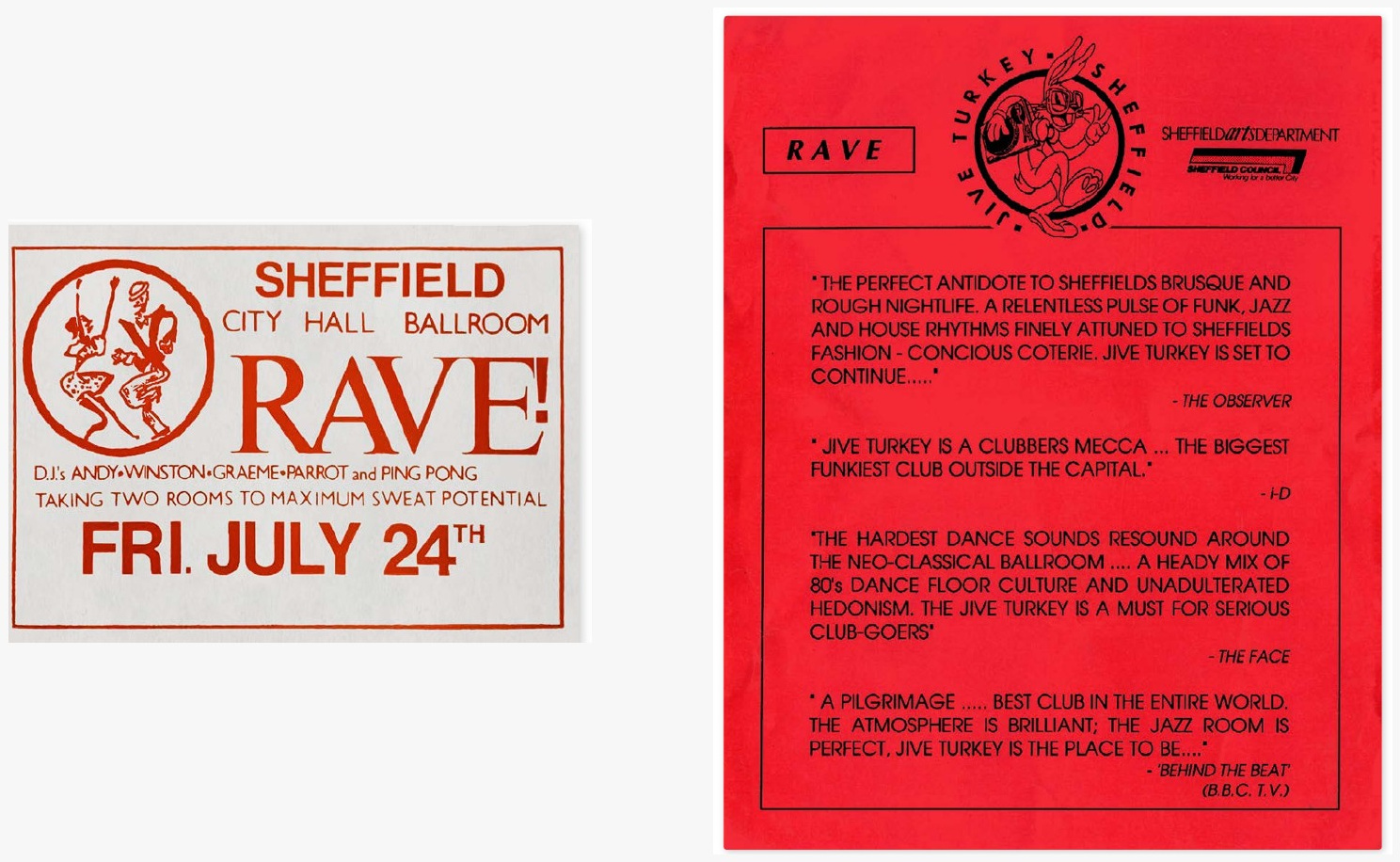
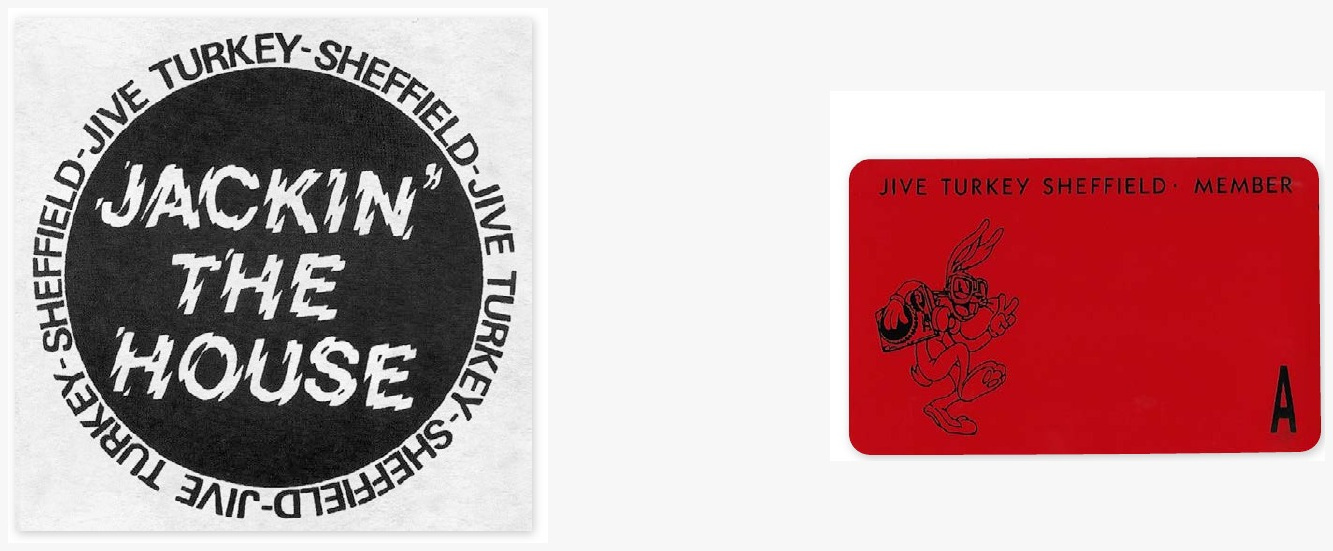
When Jive Turkey also began to organise sessions at City Hall, while the original night kept running at Mona Lisa’s, their flyers billed them with a single word: Rave. Among the surviving flyers there is one announcing a session on 24 July 1987 and others from those years; also a sticker bearing the phrase “Jackin’ the House”, a membership card and a discount ticket for Mona Lisa’s Saturdays. The word rave hadn’t yet acquired in Britain all the weight it would have after the acid house explosion — it wasn’t born on those nights — but it was already part of its vocabulary.
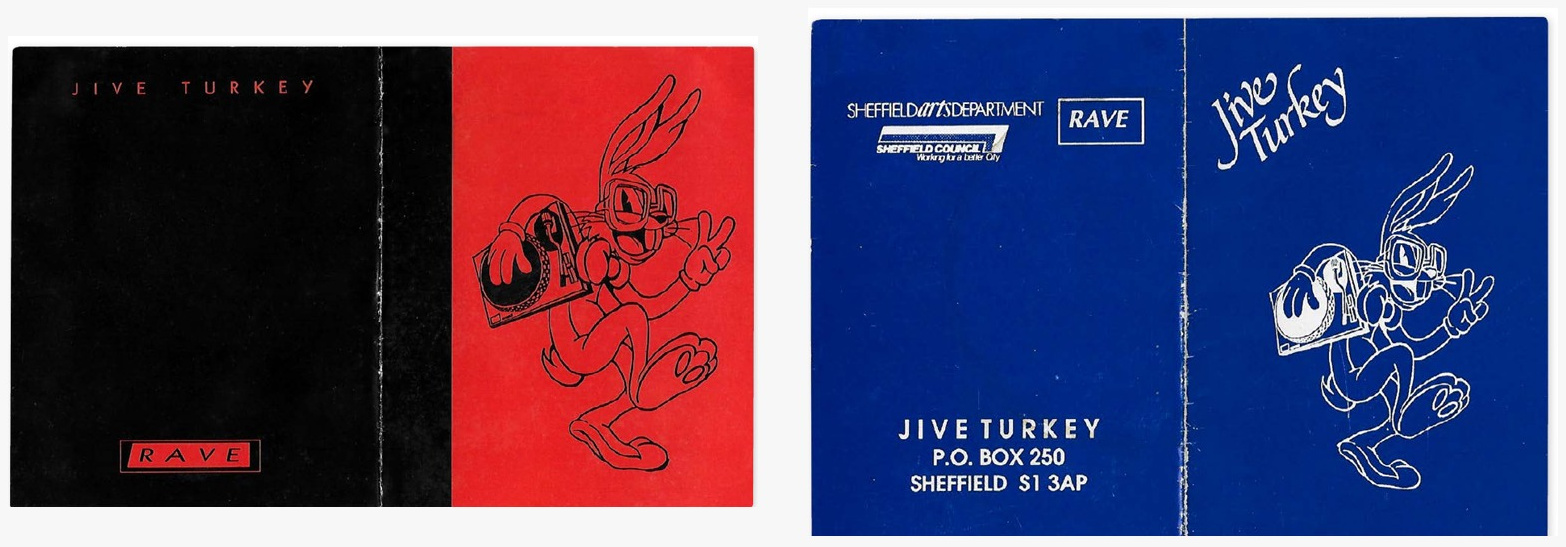
What came next is less festive. The City Hall sessions ended up running into capacity restrictions and, in 1988, the party went back to Mona Lisa’s, by then renamed Occasions.
It is worth not turning Jive Turkey into a utopia. The spread of rave culture, changes in drug use and the gradual specialisation of the music ended up altering the balance of that scene. According to The Guardian, Barratt summed it up by saying that ecstasy killed it, and Hazel that the music had lost any reference to soul.
The members of Cabaret Voltaire frequented those nights: according to Wax Poetics, Richard H. Kirk and Stephen Mallinder were regulars. There, Sheffield’s electronics met American Black music: soul, funk, Chicago house, Detroit techno.
Suddenly the genealogy becomes less comfortable. Sheffield invented its future by listening to Detroit, Chicago, New York, Jamaica and Europe, not by shutting itself in. The industrial city did not automatically produce industrial music: it produced a network of people who transformed everything that reached them. And that is where WARP begins to appear.
Record labels tend to be told as stories of individuals. Someone has an idea. Founds a company. Discovers artists. Releases records.
Reality is usually a lot less cinematic. I asked Winston whether that network — Jive Turkey, FON, the pirate radio station, Cuba, the DJs and producers who would end up orbiting WARP — had really been connected in that way, or whether it was us, thirty years later, joining the dots.
“The simple answer is that we knew each other and collectively each of us had another foot in other things happening at the same time. It quickly became 1 degree of separation between us. Very little was planned but we all happened to be in the same place at the same time, sharing the same enthusiasm and excitement of possibilities.” And he added, not without humour: “I’m not sure it would have worked, if we had tried to organise ourselves, because we would probably have all fallen out before anything good came of it.” And he concluded: “The most important thing was that we became respectful of each other’s abilities and collaborated only when fate said so.”
There were connections, of course. But many depended on coincidences, friendships and opportunities that appeared without warning. Scenes are born from infrastructures — a shop, a studio, a club, a distributor — and also from the kind of chance that no organisation chart accounts for. FON, a record shop on Division Street that also had a studio through which artists such as David Bowie, Yazz and Chakk had passed, was one of those meeting points. Rob Mitchell and Steve Beckett worked there — it was at FON, in fact, that Beckett, who came from indie rock, discovered electronic music — and out of that shop, with the arrival of the producer Rob Gordon, WARP would eventually emerge.
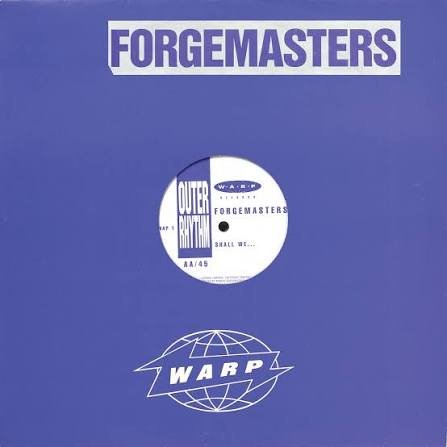
In 1989 WARP Records’ first release appeared. Forgemasters. “Track With No Name”. The same record that, seven years later, I would hear without recognising it in Jack’s Records. The recording — credited to Winston Hazel, Sean Maher and Rob Gordon — incorporated material from Manu Dibango’s “Abele Dance” and connected with the Chicago and Detroit records circulating around Sheffield, though with a personality hard to confuse with its models. The name Forgemasters wasn’t innocent either. Sheffield Forgemasters was — and still is — one of the city’s great heavy engineering and steel companies. There was no need to write a manifesto. The name already contained the city.
And here it is worth qualifying the usual order of events, at least as one of its protagonists remembers it. When I asked Winston what is usually told wrongly about WARP’s origins, his answer was categorical:
“The MOST important thing people get wrong about WARP. Is that WARP Records was set up to release our ‘Track With No Name’ by Forgemasters. That’s the only reason it was the first release on the label ‘WAP1’. Warp came after Forgemasters and because of Forgemasters!!!”
The label, then, did not discover a recording that already sounded good: according to Hazel, it was created because that recording needed to come out. The history of labels is usually told from their founders — who put up the money, who designed the logo, who secured the distribution. All of that matters. But if we follow the sequence he remembers, WARP’s later history begins with the vision of its founders, and his begins a little earlier.
With Forgemasters.
Warp came after Forgemasters and because of Forgemasters!!!
The sound, mind you, wasn’t a nostalgic re-creation of the city’s industrial past either: enormous basslines, percussion reduced to its structure, space, repetition, frequencies that only made sense when they passed through a sound system at high volume. Bleep. An almost ridiculous word for music that could be physically monumental. And a word that oversimplified, besides: Sheffield wasn’t alone. Leeds, Bradford and Huddersfield were part of the same circuit of clubs, shops and DJs where tapes travelled and recordings were put to the test — Nightmares on Wax came out of Leeds; Unique 3 out of Bradford — and the phenomenon was regional before it became a story told almost exclusively around WARP.
Soon afterwards came Sweet Exorcist. Richard H. Kirk and DJ Parrot. Two Sheffield stories that until then seemed to belong to different generations walking into the same studio. Their “Testone” is almost too perfect for this story. The musician who had taken part in the city’s first great electronic avant-garde working with one of the DJs who had helped introduce electro, house and techno into its clubs. Past and future sharing a mixing desk.
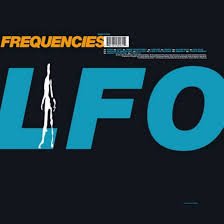
And something similar was happening at Cuba, the Wednesday night at Occasions. Producers brought their tapes there. Hazel and Parrot listened to them and sometimes played them straight to the crowd: a way of checking how a piece sounded at a volume and in conditions that no domestic room could reproduce. Among the bleep twelve-inches that WARP released shortly afterwards were LFO’s. Before streaming, before comments, before algorithms and instant metrics, Sheffield had built a rather efficient data-analysis system: a sound system and several hundred people dancing.
“I would often play a cassette, that someone had brought to the club that night, after only auditioning it on the headphones once before playing it to the floor. The whole thing was super spontaneous and fresh. It quickly became a regular feature.” Winston recalls. He especially remembers the first time he and Parrot tried out at Occasions “our original master cassette recording of The Step – ‘Yeah You’”: it sounded, in his words, “raw and fuckin’ awesome”. He believes that experience pushed them to improve the club’s sound system so it could take so much bass; afterwards they took the tape to Rob Gordon so he could give it his particular treatment and adjust the bass, which sounded far too loose. The dance floor had revealed something that headphones couldn’t tell them, and the recording went back to the studio.
The night I went to the Leadmill, Winston Hazel was DJing. I found the flyer on my way out of Jack’s. I went.
I remember a brutally versatile set. I remember two Englishmen, Matt and Jack, who were planning to travel to Spain. I remember that they talked about Hazel as if everyone were obliged to know who he was. I didn’t. Years later I saw Matt and Jack again in Spain. Even today, when we meet, that night resurfaces now and then in the conversation. For a long time I thought that memory was important because I had been there.
Now I think it is important for the opposite reason.
I might not have been there. Nothing would have changed. The Leadmill would have opened. Hazel would have played. The records would have sounded. Sheffield would have gone on inventing that music without my knowing anything about it. That lets you put memories in their place. They are not the story. They are only the door I went in by.
Thirty years later, when I wrote to Winston to ask him about WARP’s origins, I found someone far less interested in defending a legend than in explaining how things had really happened. I asked him what disappears when that story is reduced to labels and famous names, and he answered with a word I hadn’t expected: innocence. The blind faith in music that was born spontaneously, before anyone asked what could be sold or who should sign whom.
In 1992, however, the label did something strange. It released a compilation called Artificial Intelligence. The cover showed that android sitting comfortably at home listening to records. The dance floor had disappeared; the machine was resting. The idea was simple and fairly radical: that music could also be listened to outside the club, on long journeys, quiet nights, the mornings after the party.
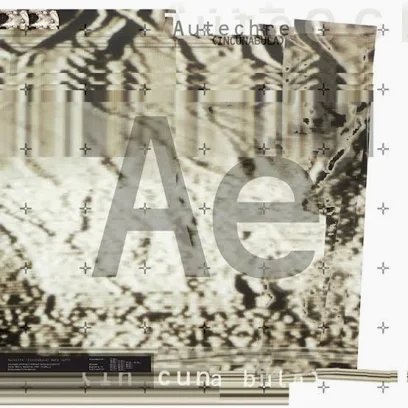
Until then, much of what WARP had released was twelve-inches made for the dance floor: records that played in a club, fulfilled their function and handed over to the next one. Artificial Intelligence proposed something else — a catalogue of artists, rather than a succession of singles. On the record, Aphex Twin signed as The Dice Man, B12 as Musicology, and among its ten tracks were also Autechre, Speedy J, I.A.O., Up! and Dr Alex Paterson. Autechre and Aphex Twin would become the backbone of the catalogue for the next three decades. What we would later call IDM — a debatable label that almost none of its protagonists seemed to need — was beginning to acquire an identity.
For generations, Sheffield had understood production in material terms: ore, coal, furnaces, steel, presses, tools, objects. Now a small record company from the same city was beginning to produce something else, designed to last longer than a club night. One form of modernity was disappearing while another was beginning to seem imaginable. And between the two stood WARP.
That is why The Designers Republic matters so much in this story. Reducing its work to WARP’s sleeves would be like describing a factory’s architecture by talking only about the colour of the walls. The Designers Republic didn’t decorate that music. It built the world in which it could exist. Its designs were full of logos, fake corporations, aggressive typefaces, instructions, codes, brands and slogans that seemed to come from some multinational arriving from a slightly defective future.
“Work Buy Consume Die”. The aesthetics of consumption turned simultaneously into fascination and threat. Technology presented as promise and as a system of control. And once again Sheffield. Not London. Not New York. Not Los Angeles. Sheffield.
A city outside Britain’s great cultural centre imagining a visual culture that would end up defining how much of the electronic music of the nineties was supposed to look. The sleeves didn’t simply say WARP Records. They said WARP Records, Sheffield. The location was part of the identity. “North of Nowhere”.
Here is the paradox that interests me most. In the nineties Britain was obsessed with its past. Britpop recovered guitars, mod iconography, the Beatles, the Kinks, the Small Faces, parkas, Union Jacks and a certain fantasy about British popular culture. It wasn’t necessarily reactionary. Some of those songs were magnificent. But they looked backwards.
Meanwhile, from a former steel city in the north, a label with a strange logo was releasing records by faceless musicians who spoke through machines, with sleeves that looked like instruction manuals for products that hadn’t yet been invented. A country could feel nostalgia for 1966 and, at the same time, imagine 2066. Both things were happening at once. I was simply looking in the wrong direction.
For years I interpreted that visit to Sheffield as a youthful anecdote. A weekend. A shop. A record. A night at a club. An old Welshman who had given me good advice. Now I think what I saw was something else, and that I had only half seen it.
I saw a city caught between two systems. The first had organised its economy, its landscape and a good part of its identity for more than a century. The second was only just beginning. The factory didn’t disappear completely. Buildings, companies, knowledge, families, economic wounds and an industrial memory remained, and they continue to be part of Sheffield. But around those ruins another infrastructure appeared. Studios. Labels. Designers. Clubs. Shops. Musicians. Programmers. Small cultural businesses. The raw material had changed.
A country could feel nostalgia for 1966 and, at the same time, imagine 2066.
Perhaps that is why I keep thinking about that tram, so new it seemed out of place, gliding between blackened bricks and smokeless chimneys. In 1996 I interpreted it simply as an urban oddity. Now it seems to me a fairly precise image of what was happening. Two futures shared the same street. One was the industrial future that had promised employment, prosperity and progress for much of the twentieth century and that was finishing its collapse right there. The other didn’t yet have a name. It circulated on twelve-inch records. On tapes someone carried to a club. On home computers. In improvised studios. On The Designers Republic’s sleeves. In low frequencies that travelled from Chicago and Detroit and came back transformed from Yorkshire. In an android sitting in an armchair listening to records.
I had gone to Sheffield looking for a shop. It took me thirty years to understand that I had found a factory.