Listening
Records recommended by the people we interview and selections by Radio Muerte: the ones that have kept us company or turned up while we were researching something else. They are not ranked by importance.

Recommended by Randy Randall

Recommended by Randy Randall

Recommended by Randy Randall
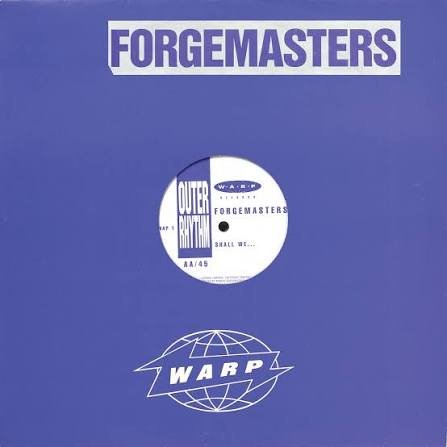
Radio Muerte selection · After reading · WARP Records and the City That Imagined the Future
Radio Muerte: The record WARP begins with. According to Winston Hazel, the label was created to release it, which is why it was the first release, WAP1.

Radio Muerte selection · After reading · WARP Records and the City That Imagined the Future
Radio Muerte: One of the names in the wave of bleep twelve-inches that WARP released after “Track With No Name” and “Testone”: the sound of those early years, made for a sound system at high volume.
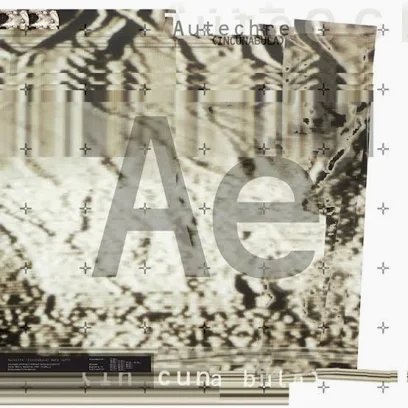
Radio Muerte selection · After reading · WARP Records and the City That Imagined the Future
Radio Muerte: Autechre is one of the two names that, together with Aphex Twin, would become the backbone of WARP’s catalogue for the next three decades.

Radio Muerte selection · Today we're listening · 17 Nov 2026
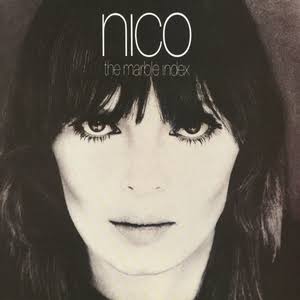
Radio Muerte selection · Today we're listening · 13 Nov 2026

Radio Muerte selection · Today we're listening · 13 Nov 2026
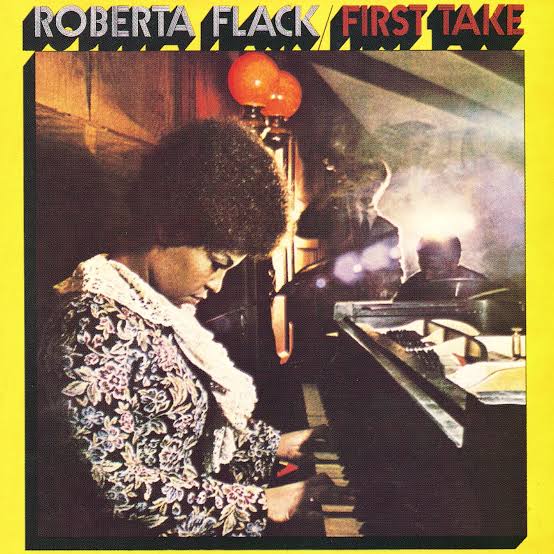
Recommended by A Lily

Recommended by A Lily
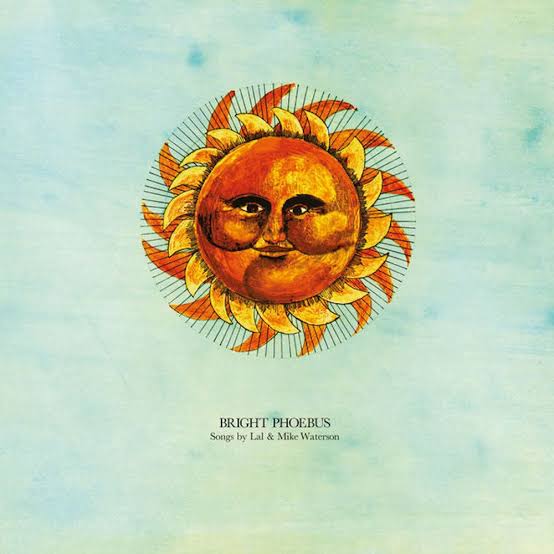
Recommended by A Lily
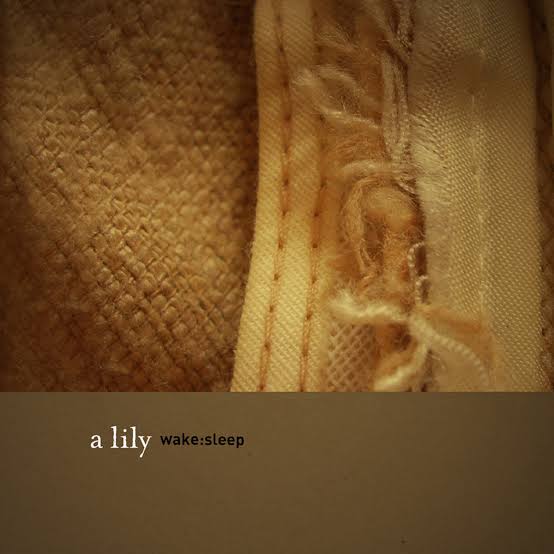
Radio Muerte selection · After reading · A Lily: a single copy
Radio Muerte selection · Today we're listening · 12 Nov 2026

Radio Muerte selection · Today we're listening · 12 Nov 2026
Radio Muerte selection · Today we're listening · 11 Nov 2026

Radio Muerte selection · Today we're listening · 11 Nov 2026

Radio Muerte selection · After reading · Roland CR-78: The Drum Machine That Invented the Future
Radio Muerte: The album of “In the Air Tonight”, the song the article uses to tell the CR-78's story: the drum machine pattern carries the first half, until the acoustic drums come in. Roland's own text on the machine cites this track as one of its best-known uses.
Radio Muerte selection · After reading · Roland CR-78: The Drum Machine That Invented the Future
Radio Muerte: This is where “Heart of Glass” lives, the Blondie song in which the article places the CR-78. According to Roland, the machine drives the opening of the track and its trigger output moves the synth bass.
Radio Muerte selection · After reading · Roland CR-78: The Drum Machine That Invented the Future
Radio Muerte: John Foxx's first solo album, by the artist the article quotes on how these Japanese machines interpreted Western rhythms in their own way. Roland states that the CR-78 is on nearly every track of the album.

Radio Muerte selection · Today we're listening · 10 Nov 2026

Radio Muerte selection · Today we're listening · 10 Nov 2026
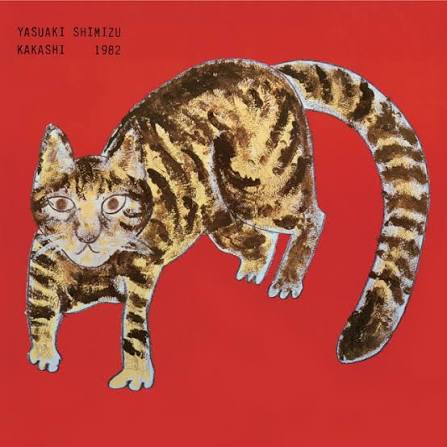
Radio Muerte selection · Today we're listening · 9 Nov 2026
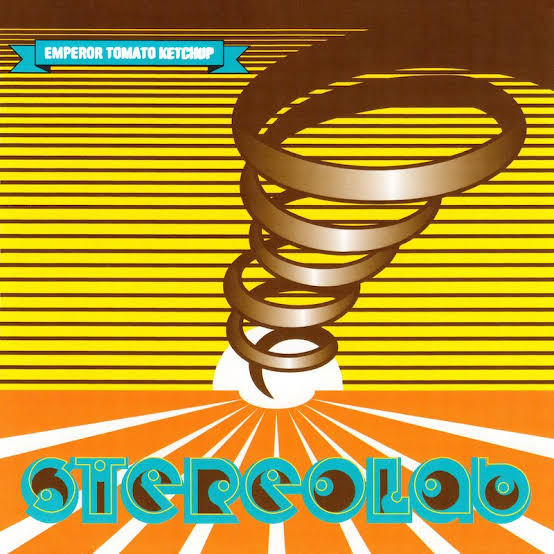
Radio Muerte selection · Today we're listening · 9 Nov 2026
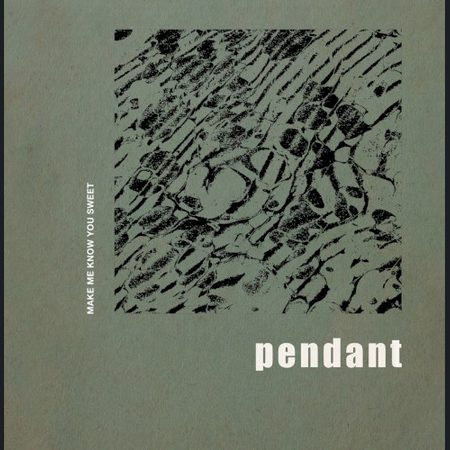
Radio Muerte selection · Today we're listening · 8 Nov 2026
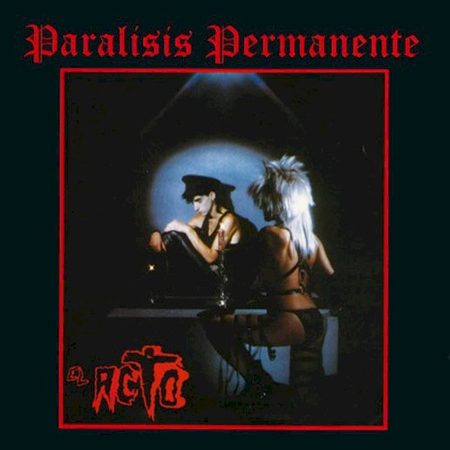
Radio Muerte selection · Today we're listening · 7 Nov 2026
Radio Muerte selection · Today we're listening · 7 Nov 2026
Radio Muerte selection · Today we're listening · 6 Nov 2026

Radio Muerte selection · Today we're listening · 6 Nov 2026

Recommended by John Maus
Recommended by John Maus
Recommended by John Maus
Radio Muerte selection · After reading · John Maus: “What’s in the Box Is the War”
Radio Muerte selection · After reading · John Maus: “What’s in the Box Is the War”
Radio Muerte selection · Today we're listening · 5 Nov 2026
Radio Muerte selection · Today we're listening · 5 Nov 2026
Radio Muerte selection · Today we're listening · 4 Nov 2026
Radio Muerte selection · Today we're listening · 4 Nov 2026
Radio Muerte selection · After reading · Juan Atkins (1962–2026)
Radio Muerte: Cybotron’s first album, the project with which Juan Atkins and Richard Davis got started in Detroit. “Clear” is here, one of the titles the article mentions.
Radio Muerte selection · After reading · Juan Atkins (1962–2026)
Radio Muerte: The Model 500 record the article names when it talks about everything there was still to tell. Model 500 was also the name under which Atkins took the stage at Primavera Sound in 2008.
Radio Muerte selection · After reading · Juan Atkins (1962–2026)
Radio Muerte: The compilation that carries in its title the label Atkins founded in 1985 and the twenty years that followed.

Radio Muerte selection · Today we're listening · 3 Nov 2026
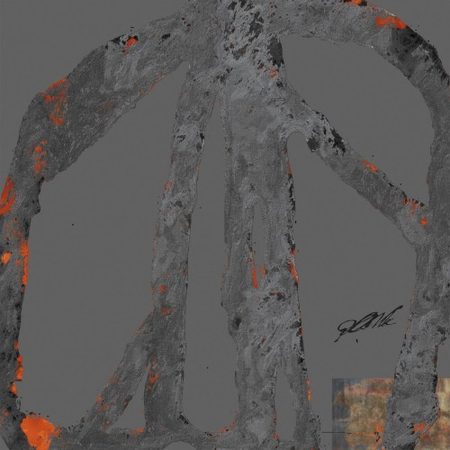
Radio Muerte selection · Today we're listening · 3 Nov 2026

Radio Muerte selection · Today we're listening · 2 Nov 2026

Radio Muerte selection · Today we're listening · 2 Nov 2026
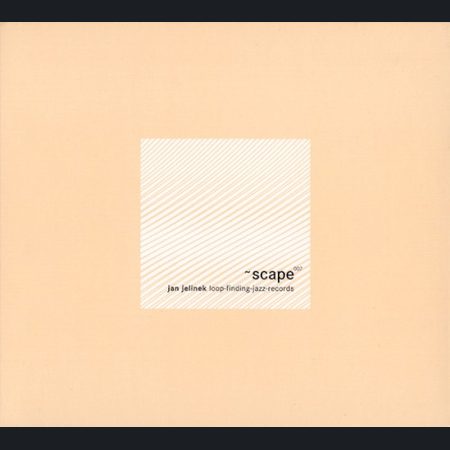
Radio Muerte selection · Today we're listening · 1 Nov 2026
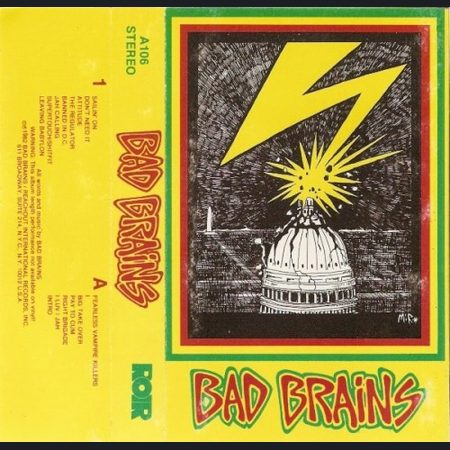
Radio Muerte selection · Today we're listening · 1 Nov 2026
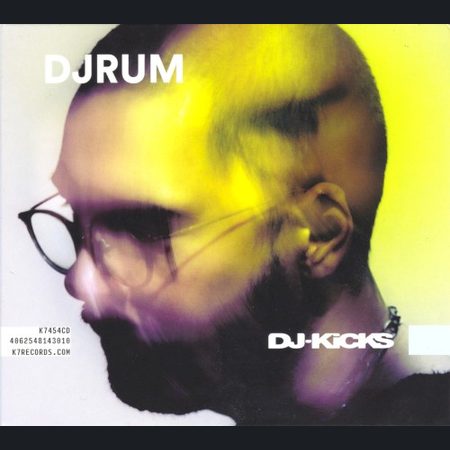
Radio Muerte selection · Today we're listening · 31 Oct 2026
Radio Muerte selection · Today we're listening · 31 Oct 2026
Radio Muerte selection · Today we're listening · 30 Oct 2026
Radio Muerte selection · Today we're listening · 30 Oct 2026

Recommended by Laetitia Sadier
Recommended by Laetitia Sadier

Recommended by Laetitia Sadier
Radio Muerte selection · Today we're listening · 29 Oct 2026

Radio Muerte selection · Today we're listening · 29 Oct 2026
Radio Muerte selection · After reading · Roland TR-808: The Machine That Didn't Know How to Play the Drums
Radio Muerte: One of the 808’s first lives. Here we begin to understand that its failure as an imitation of a drum kit could turn into something else.
Radio Muerte selection · After reading · Roland TR-808: The Machine That Didn't Know How to Play the Drums
Radio Muerte: “Sexual Healing” took the 808 somewhere unexpected: an intimate, sensual song held up by a machine that didn’t need to sound human.
Radio Muerte selection · After reading · Roland TR-808: The Machine That Didn't Know How to Play the Drums
Radio Muerte: The 808 no longer replaces anybody. On “Planet Rock” it helps build a language that didn’t yet have a quite clear name.
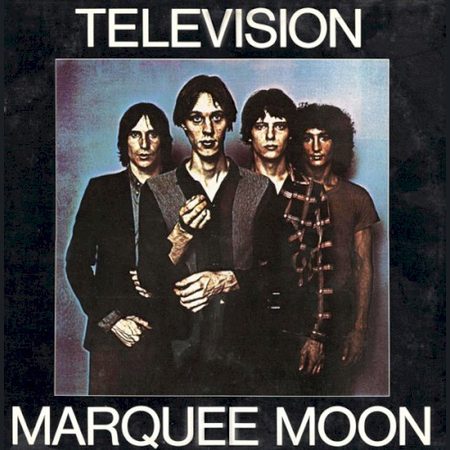
Radio Muerte selection · Today we're listening · 28 Oct 2026
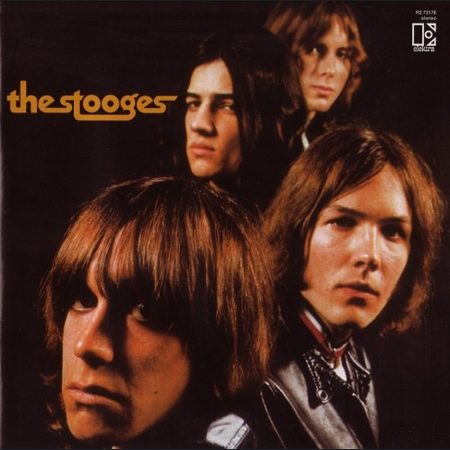
Radio Muerte selection · Today we're listening · 28 Oct 2026

Radio Muerte selection · Today we're listening · 27 Oct 2026
Radio Muerte selection · Today we're listening · 27 Oct 2026

Radio Muerte selection · Today we're listening · 26 Oct 2026
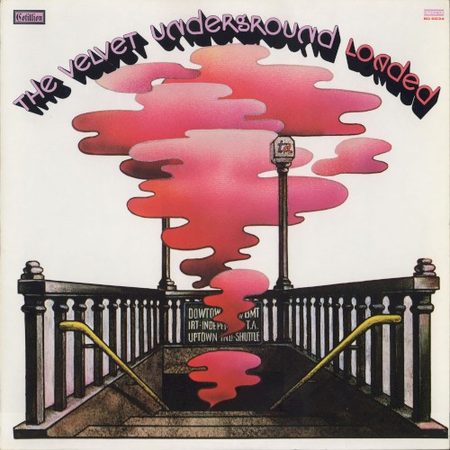
Radio Muerte selection · Today we're listening · 26 Oct 2026

Radio Muerte selection · After reading · Joe Jackson, Work Still to Do
Radio Muerte: "Real Men" and "Steppin' Out" come from here: two of the essential moments of the night.
Radio Muerte selection · After reading · Joe Jackson, Work Still to Do
Radio Muerte: The new songs that showed the concert did not live on the past alone.
Radio Muerte selection · After reading · Joe Jackson, Work Still to Do
Radio Muerte: The Bowie album behind Jackson's tribute in the encores.
Radio Muerte selection · Today we're listening · 25 Oct 2026

Radio Muerte selection · Today we're listening · 25 Oct 2026
Radio Muerte selection · Today we're listening · 24 Oct 2026
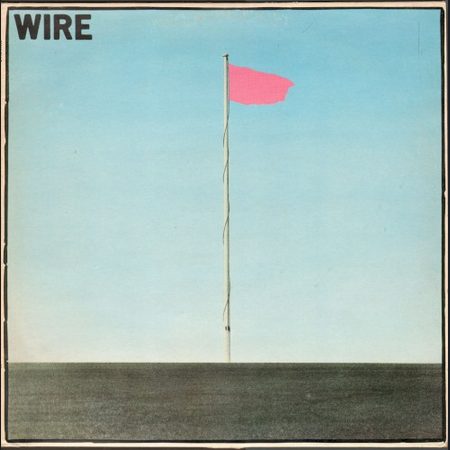
Radio Muerte selection · Today we're listening · 24 Oct 2026

Radio Muerte selection · Today we're listening · 23 Oct 2026

Radio Muerte selection · Today we're listening · 23 Oct 2026

Radio Muerte selection · After reading · William Basinski: “I Don’t Erase”
Radio Muerte: The tapes that fell apart while he was trying to save them.

Recommended by William Basinski
«I always say this but I would say Steve Reich, Music for 18 Musicians […]»

Recommended by William Basinski
«[…] Brian Eno, Music for Airports […]»
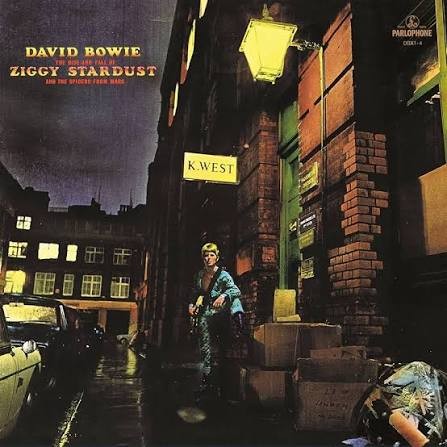
Recommended by William Basinski
«[…] and of course David Bowie, Ziggy Stardust & the Spiders from Mars, along with just about everything else he did.»
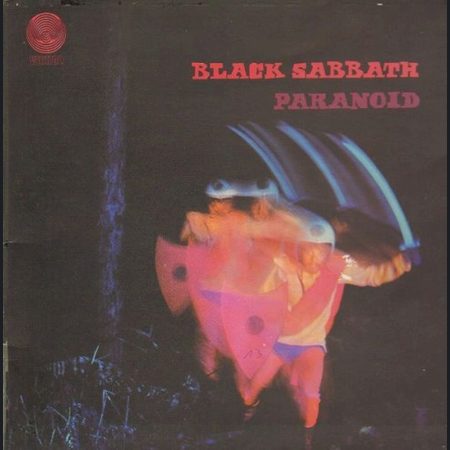
Radio Muerte selection · Today we're listening · 22 Oct 2026

Radio Muerte selection · Today we're listening · 22 Oct 2026
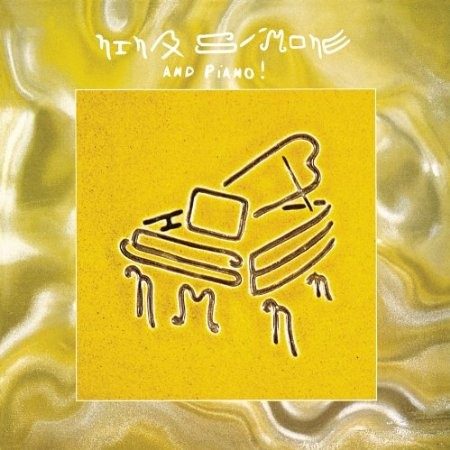
Radio Muerte selection · Today we're listening · 21 Oct 2026
Radio Muerte selection · Today we're listening · 21 Oct 2026
Radio Muerte selection · Today we're listening · 20 Oct 2026

Radio Muerte selection · Today we're listening · 20 Oct 2026
Radio Muerte selection · Today we're listening · 19 Oct 2026
Radio Muerte selection · Today we're listening · 19 Oct 2026
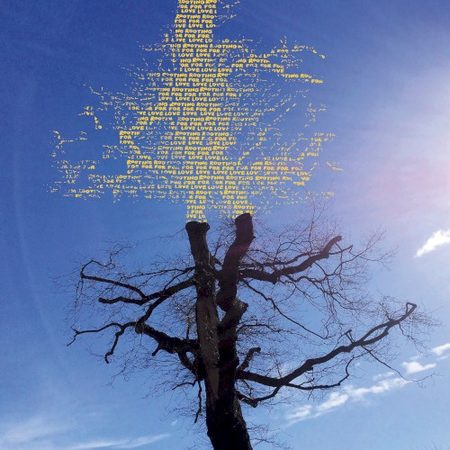
Radio Muerte selection · Today we're listening · 18 Oct 2026

Radio Muerte selection · Today we're listening · 18 Oct 2026
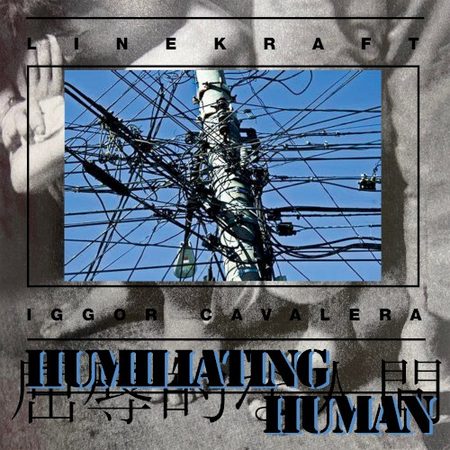
Radio Muerte selection · Today we're listening · 17 Oct 2026
Radio Muerte selection · Today we're listening · 17 Oct 2026

Radio Muerte selection · Today we're listening · 16 Oct 2026

Radio Muerte selection · Today we're listening · 16 Oct 2026
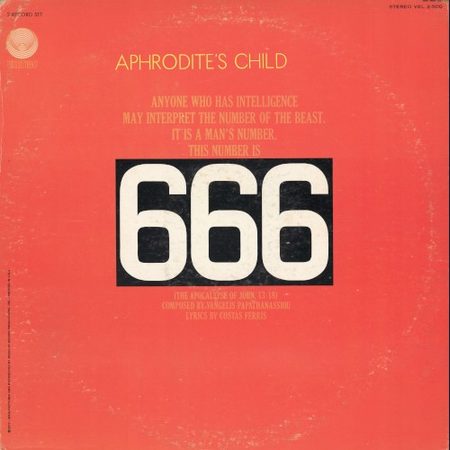
Radio Muerte selection · Today we're listening · 15 Oct 2026
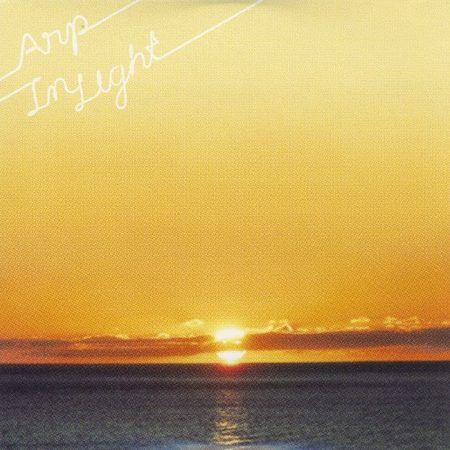
Radio Muerte selection · Today we're listening · 15 Oct 2026
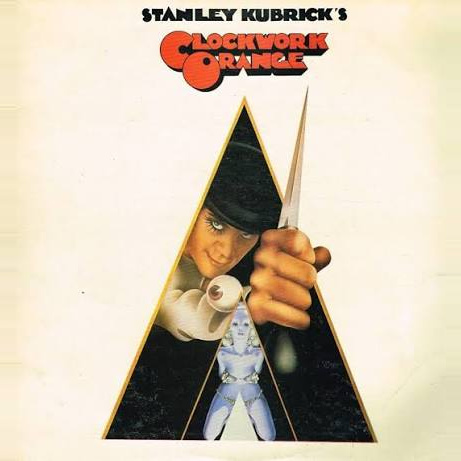
Radio Muerte selection · After reading · A Short History of the Bodiless Voice, from 1939 to Tomorrow
Radio Muerte: The synthetic voice before it stopped sounding strange. On A Clockwork Orange, Wendy Carlos used the vocoder to make a machine sing: Beethoven filtered through a technology that still sounded like an intrusion from the future.

Radio Muerte selection · After reading · A Short History of the Bodiless Voice, from 1939 to Tomorrow
Radio Muerte: Here the question is already in the title. Kraftwerk did not use technology to conceal the human being, but to make the boundary between human and machine uncertain. The voice no longer confirms who is singing: man and machine begin to speak the same language.
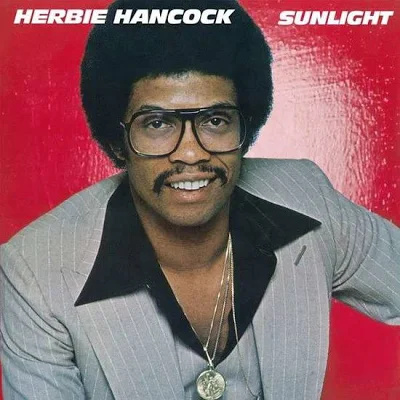
Radio Muerte selection · After reading · A Short History of the Bodiless Voice, from 1939 to Tomorrow
Radio Muerte: Herbie Hancock found another possibility in the vocoder: not to erase the voice, but to extend it. On Sunlight, technology turns singing into a new surface, somewhere between breath, keyboard and electricity.

Radio Muerte selection · After reading · A Short History of the Bodiless Voice, from 1939 to Tomorrow
Radio Muerte: With Roger Troutman, the processed voice stopped being a futuristic promise and entered the body of funk. The talk box turned technology into gesture, rhythm and physical pleasure: the machine no longer replaced the voice; it danced with it.
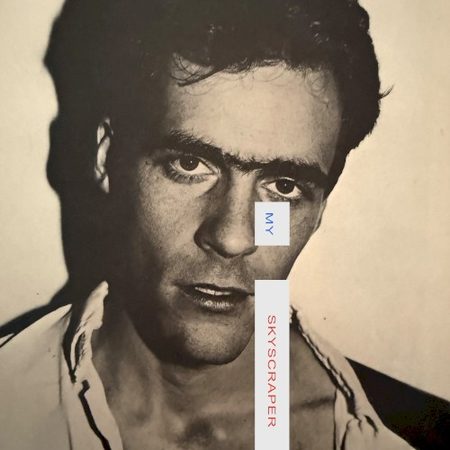
Radio Muerte selection · Today we're listening · 14 Oct 2026
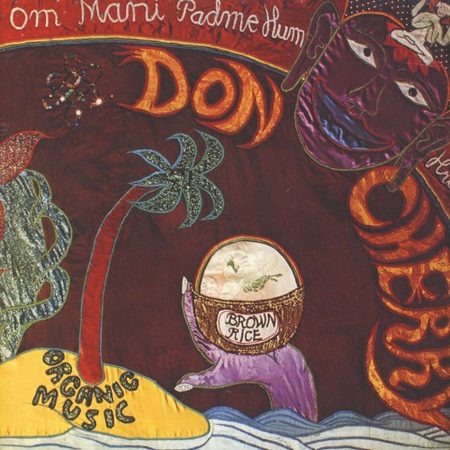
Radio Muerte selection · Today we're listening · 14 Oct 2026

Radio Muerte selection · Today we're listening · 13 Oct 2026

Radio Muerte selection · Today we're listening · 13 Oct 2026
Radio Muerte selection · Today we're listening · 12 Oct 2026

Radio Muerte selection · Today we're listening · 12 Oct 2026
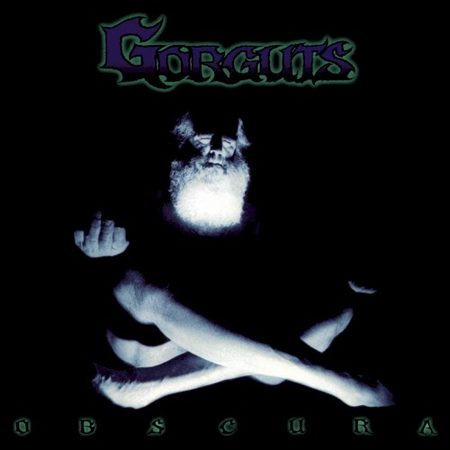
Radio Muerte selection · Today we're listening · 11 Oct 2026

Radio Muerte selection · Today we're listening · 11 Oct 2026

Radio Muerte selection · Today we're listening · 10 Oct 2026
Radio Muerte selection · Today we're listening · 10 Oct 2026
Radio Muerte selection · Today we're listening · 9 Oct 2026
Radio Muerte selection · Today we're listening · 9 Oct 2026
Radio Muerte selection · After reading · Mercury Rev and the Holograms of Our Own Lives
Radio Muerte: Donahue talks about listening before we know exactly what we're listening to. Something similar happens in Charlemagne Palestine's music: repetition stops being repetition once you stay inside it long enough. There's no song to figure out. You have to stay.

Radio Muerte selection · After reading · Mercury Rev and the Holograms of Our Own Lives
Radio Muerte: It isn't exactly a record, and maybe that's why it fits here. Wave I — Discovery uses sound, voice and repetition to try to change the perception of whoever is listening. You can take it as an experiment, as a document of an era, or with quite a bit of skepticism. What's interesting is that it demands something unusual: listening to see what happens.
Radio Muerte selection · based on the interview with Jonathan Donahue
Radio Muerte selection · based on the interview with Jonathan Donahue
Radio Muerte selection · Today we're listening · 8 Oct 2026
Radio Muerte: Jazz taken apart and rebuilt from electronics: broken rhythms, digital textures and a music that treats the genre more as raw material than as a set of rules.
Radio Muerte selection · Today we're listening · 8 Oct 2026
Radio Muerte: Guitars, dub, jazz and urban anxiety: music made from a city that seems to exist at once outside and inside the head.
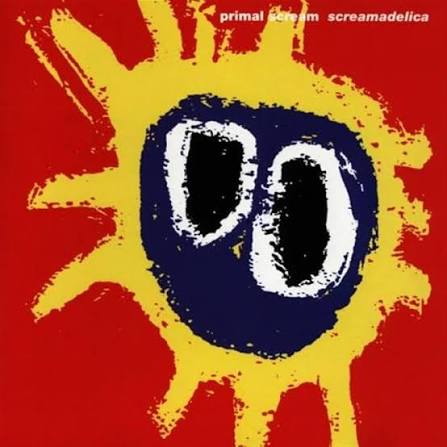
Radio Muerte selection · After reading · Andrew Weatherall, Architect of Bad Taste
Radio Muerte: It might be the obvious pick, but leaving it out would be cheating. A good part of what made Weatherall Weatherall is here: taking someone else's song, taking it apart and finding something else inside. Screamadelica is a reminder that some accidents end up looking inevitable many years later.

Radio Muerte selection · After reading · Andrew Weatherall, Architect of Bad Taste
Radio Muerte: By the time it seemed pretty clear what was expected of Andrew Weatherall, he did something else. Guitars, electronics and his own voice show up on a record that doesn't seem too worried about fitting into any earlier version of himself. That's exactly why it's here.

Radio Muerte selection · After reading · Andrew Weatherall, Architect of Bad Taste
Radio Muerte: Early in the story, there was this. Weatherall took "Soon" and found another way to move it forward without taking away its strangeness. Heard today, the mix contains something that would run through everything that came after: the idea that transforming a song can also be a way of listening to it.
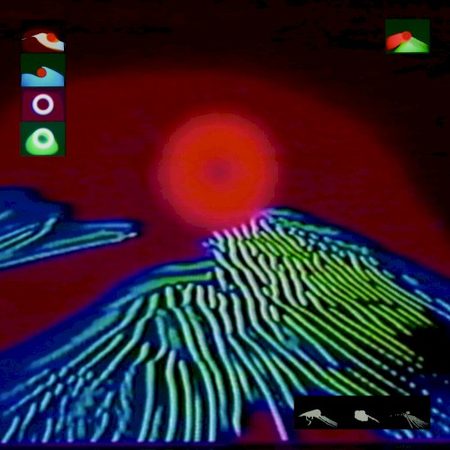
Radio Muerte selection · Today we're listening · 7 Oct 2026
Radio Muerte: Music built around what’s no longer there: piano, electronics and treated sound, until absence itself becomes a space you can listen to.
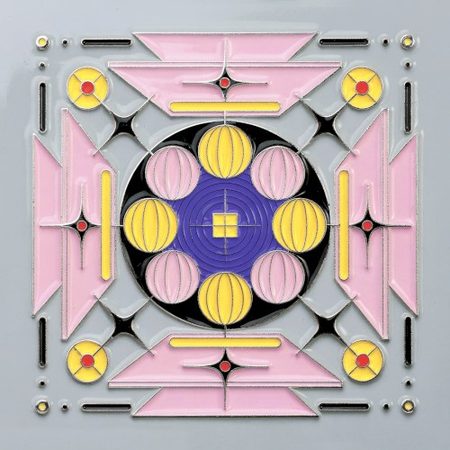
Radio Muerte selection · Today we're listening · 7 Oct 2026
Radio Muerte: Rhythms, samples and a way of treating hip hop as a laboratory: tracks that seem built as much to move the body as to take the music apart and see what’s inside.

Radio Muerte selection · Today we're listening · 6 Oct 2026
Radio Muerte: Flamenco used as a tool for friction: poetry, politics, noise and tradition, a reminder that popular music can also be there to unsettle.

Radio Muerte selection · Today we're listening · 6 Oct 2026
Radio Muerte: Two opposing records in one: first the city, the rhythm and the escape; then the emptiness left behind once the movement stops.

Radio Muerte selection · Today we're listening · 5 Oct 2026
Radio Muerte: Rap made from wordplay and the deformation of language: Bejo turns rhymes, accents and impossible associations into a very particular way of looking at the world.
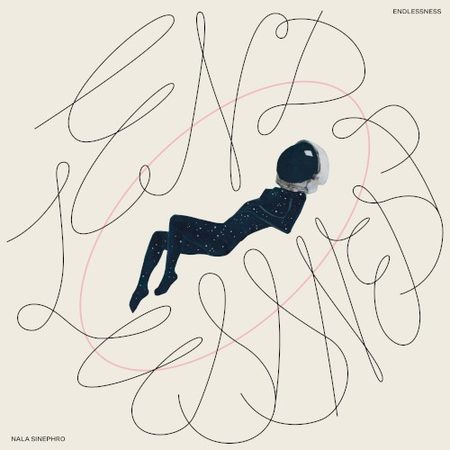
Radio Muerte selection · Today we're listening · 5 Oct 2026
Radio Muerte: Harp, synthesizers and jazz moving in circles: a music with no clear beginning or end, as if the point weren’t to get anywhere but to stay inside it.
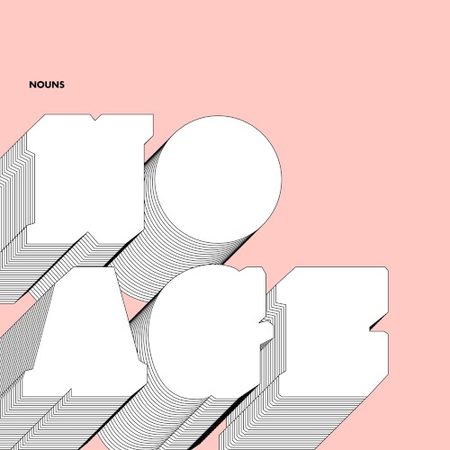
Radio Muerte selection · Today we're listening · 4 Oct 2026
Radio Muerte: Noise and melody that never decide which one should win: punk songs that appear between layers of distortion and vanish almost before they end.
Radio Muerte selection · Today we're listening · 4 Oct 2026
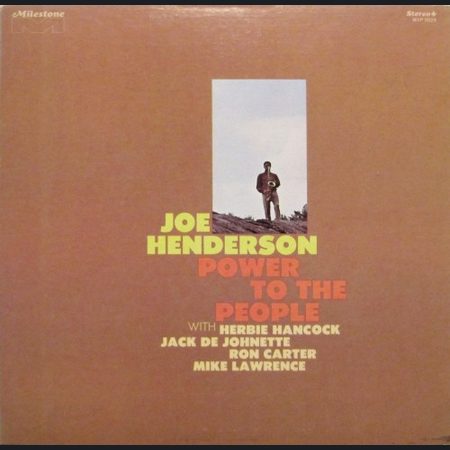
Radio Muerte: Jazz at a moment of transformation: tradition, electricity and a music that was starting to ask itself what it could do besides sound good.
Radio Muerte selection · Today we're listening · 3 Oct 2026
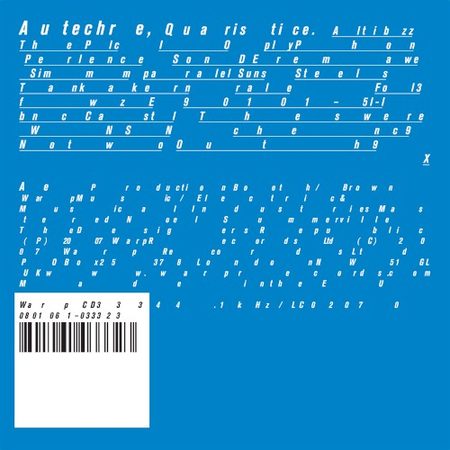
Radio Muerte: Twenty pieces like twenty found mechanisms: rhythms, textures and shapes that seem designed by machines that no longer need human instructions.
Radio Muerte selection · Today we're listening · 3 Oct 2026
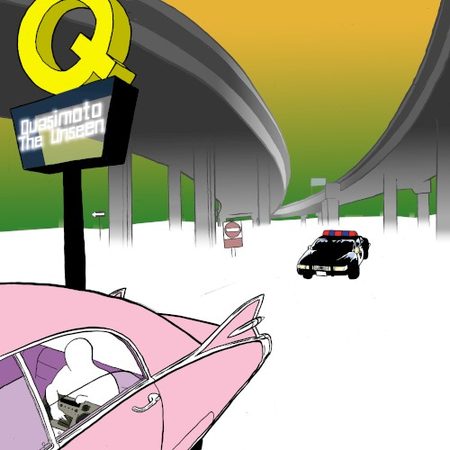
Radio Muerte: Madlib invented another voice so he could live in another world: dusty soul, jazz, cartoons and hip hop heard from somewhere between a dream and a tape reel.
Radio Muerte selection · Today we're listening · 2 Oct 2026
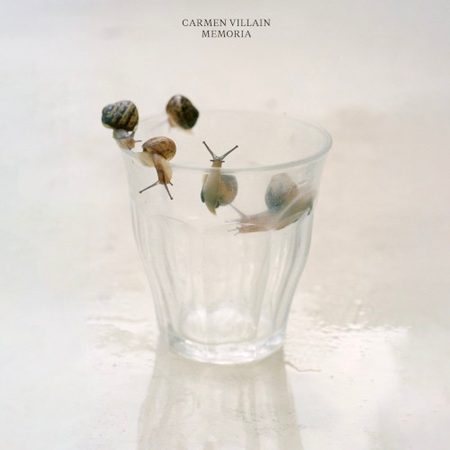
Radio Muerte: Flutes, electronics, dub and open spaces: a music where remembering doesn’t mean going back to the past, but listening to what’s still left floating.
Radio Muerte selection · Today we're listening · 2 Oct 2026
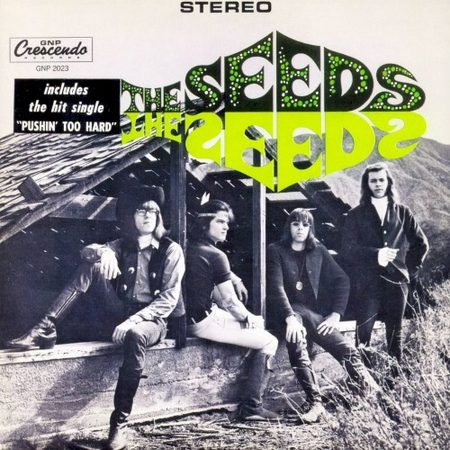
Radio Muerte: Garage, psychedelia and keyboards that always seem to be playing on the edge of losing control: Los Angeles right before the sixties started getting really strange.
Radio Muerte selection · based on the interview with Aitor Arregi

Radio Muerte selection · based on the interview with Aitor Arregi

Radio Muerte selection · based on the interview with Aitor Arregi
Radio Muerte selection · After reading · Aitor Arregi: Setting the Counter Back to Zero
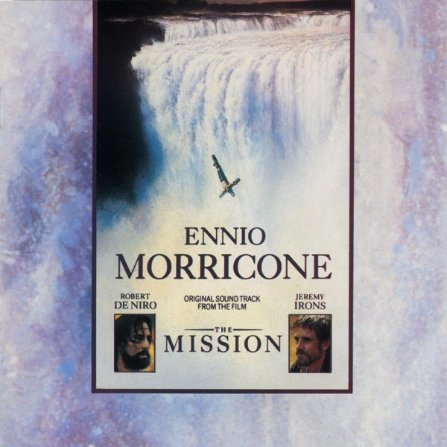
Radio Muerte: One of the two composers who appear at the end of the conversation. Arregi's description is simple: «To me they're from another planet».

Radio Muerte selection · After reading · Aitor Arregi: Setting the Counter Back to Zero
Radio Muerte: The other name in that closing. In Jaws, a few notes were enough to turn a still-invisible threat into part of film history.

Radio Muerte selection · Today we're listening · 1 Oct 2026
Radio Muerte: Bass, strings and a murky story told like a film: just over half an hour that ended up casting an extremely long shadow over popular music.
Radio Muerte selection · Today we're listening · 1 Oct 2026
Radio Muerte: Dub built out of space, bass and very few elements: proof that the old Jamaican architecture can still sound completely contemporary.
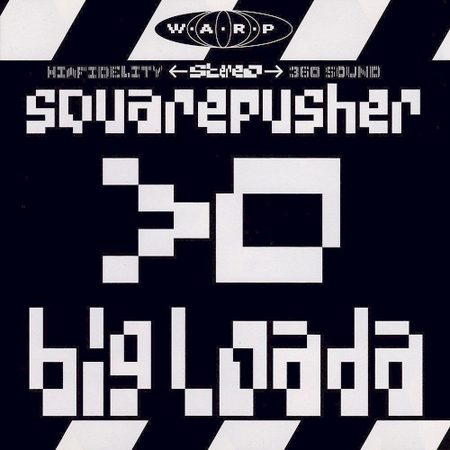
Radio Muerte selection · Today we're listening · 30 Sep 2026
Radio Muerte: Breakbeats pushed to breaking point: impossible bass, speed and virtuosity for a music that seems to be racing against its own machinery.
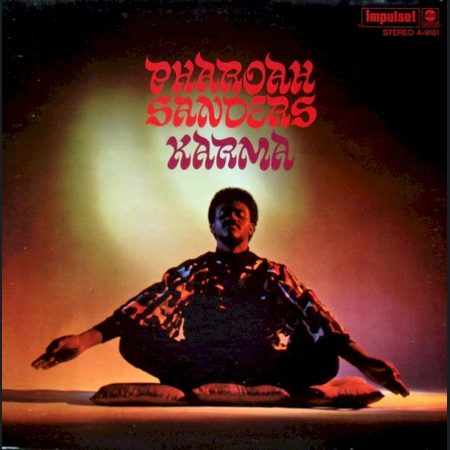
Radio Muerte selection · Today we're listening · 30 Sep 2026
Radio Muerte: Thirty minutes searching for something jazz maybe couldn’t explain in words: repetition, ecstasy and spirituality turned into sound.
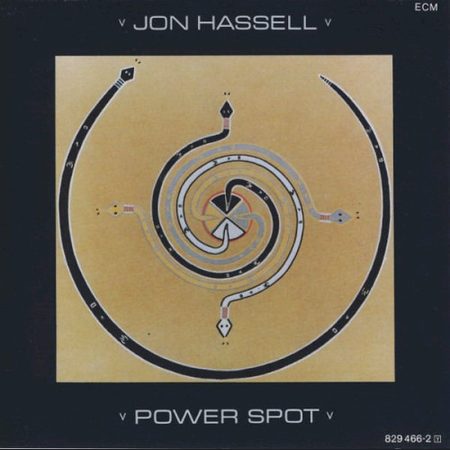
Radio Muerte selection · Today we're listening · 29 Sep 2026
Radio Muerte: A trumpet that seems to come from a place impossible to locate: electronic, acoustic and imaginary music for a geography that never existed.
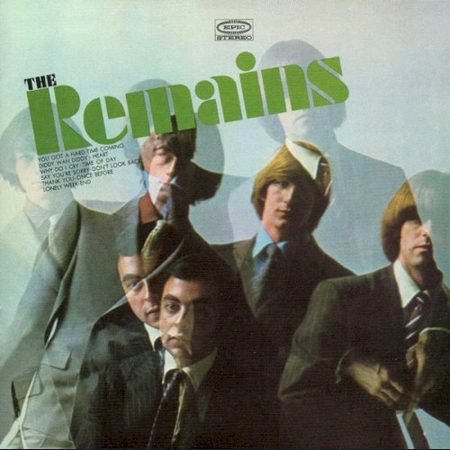
Radio Muerte selection · Today we're listening · 29 Sep 2026
Radio Muerte: Garage rock before garage rock was a label: sharp guitars, soul, urgency and a band that sounded like success was just about to arrive. It didn’t.

Radio Muerte selection · Today we're listening · 28 Sep 2026
Radio Muerte: House and techno remembered through thick fog: rhythms that seem to arrive from the room next door and vanish before you can catch them.
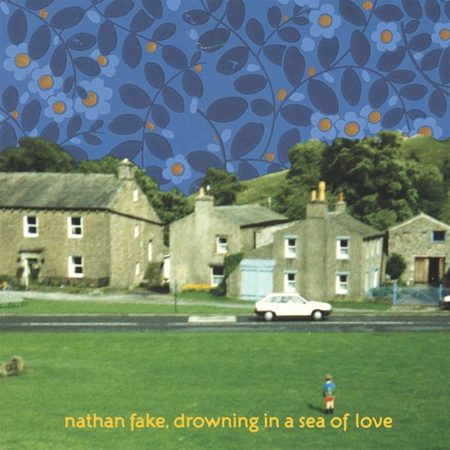
Radio Muerte selection · Today we're listening · 28 Sep 2026
Radio Muerte: Blurred melodies, noise and contained euphoria: electronic music made from the imprecise stuff of memory.
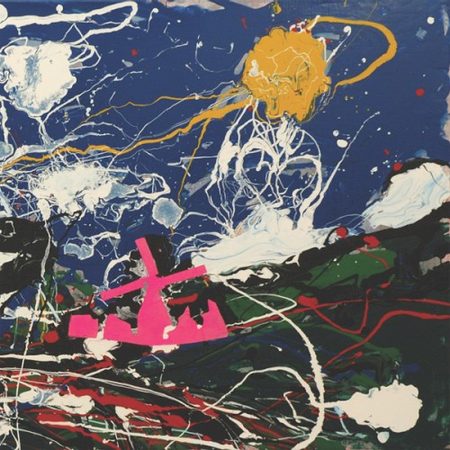
Radio Muerte selection · Today we're listening · 27 Sep 2026
Radio Muerte: Electronic music that seems to think while it plays: unstable, hypnotic and always on the verge of slipping out of its own mechanism.
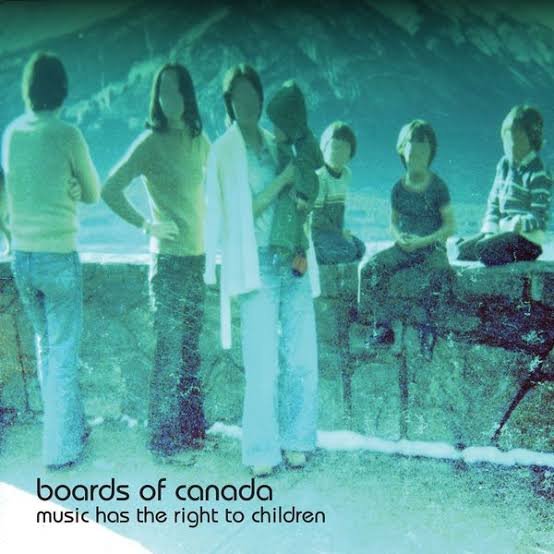
Radio Muerte selection · Today we're listening · 27 Sep 2026
Radio Muerte: Childhood as remembered by a machine: worn-down melodies, imaginary tapes and memories of things that may never have happened.
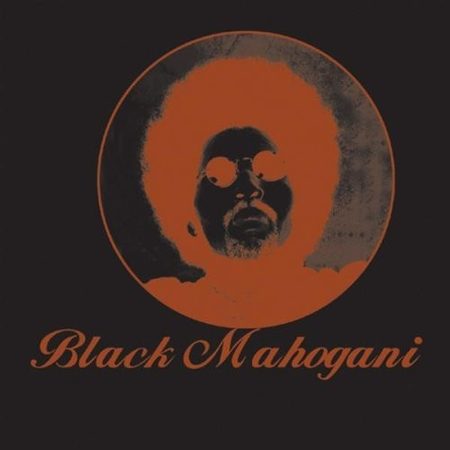
Radio Muerte selection · Today we're listening · 26 Sep 2026
Radio Muerte: House that keeps the fingerprints of everything that came before: soul, jazz, funk and Detroit turned into a nocturnal music, warm and strangely intimate.
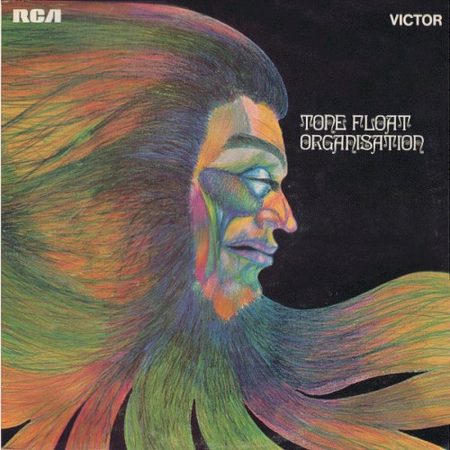
Radio Muerte selection · Today we're listening · 26 Sep 2026
Radio Muerte: Before Kraftwerk, there was this: machines, percussion and a music that didn’t yet know what it was going to become.
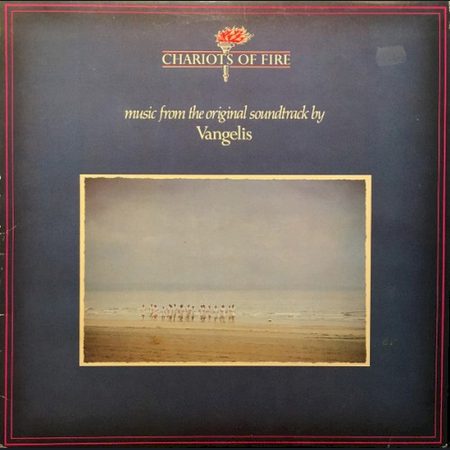
Radio Muerte selection · Today we're listening · 25 Sep 2026
Radio Muerte: Synthesizers for looking backwards: an electronic score turned the memory of 1924 into one of the most recognisable sounds of the eighties.
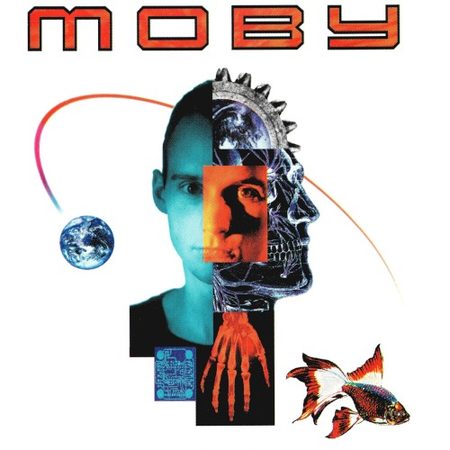
Radio Muerte selection · Today we're listening · 25 Sep 2026
Radio Muerte: Before becoming a global phenomenon, Moby was this: rave, techno and the naive urgency of a music that still seemed to have no limits.
Radio Muerte selection · Today we're listening · 24 Sep 2026
Radio Muerte: After years of everyone waiting for another rap record, André 3000 came back playing the flute: seventy minutes of music with no rhymes, and a magnificent refusal to do what was expected of him.
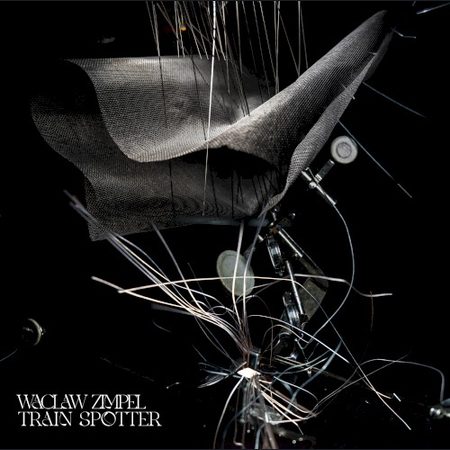
Radio Muerte selection · Today we're listening · 24 Sep 2026
Radio Muerte: Clarinets, electronics and repetition: Wacław Zimpel turns the movement of a train into a hypnotic music that doesn’t seem to need a destination.

Radio Muerte selection · Today we're listening · 23 Sep 2026
Radio Muerte: A session that treats the dancefloor as a territory without borders: jazz, soul, electronic music and African rhythms united by the sheer pleasure of finding connections.
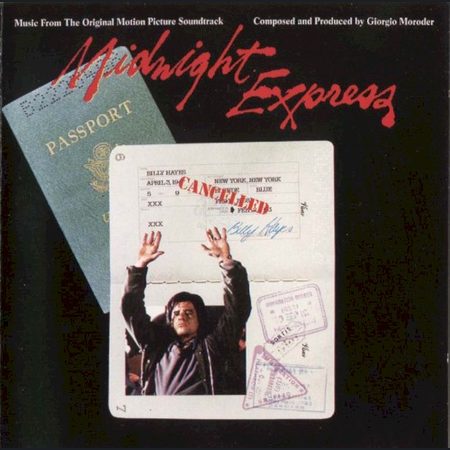
Radio Muerte selection · Today we're listening · 23 Sep 2026
Radio Muerte: A sequencer, a pulse and a chase: the moment electronic music learned how to build suspense.
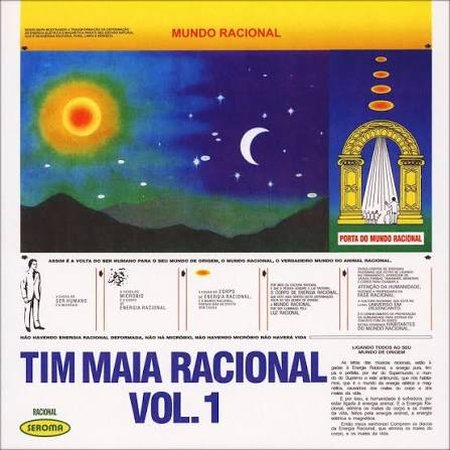
Radio Muerte selection · Today we're listening · 22 Sep 2026
Radio Muerte: Funk, soul and religious fervour: Tim Maia turned a delirious revelation into one of Brazilian music’s most irresistible records.
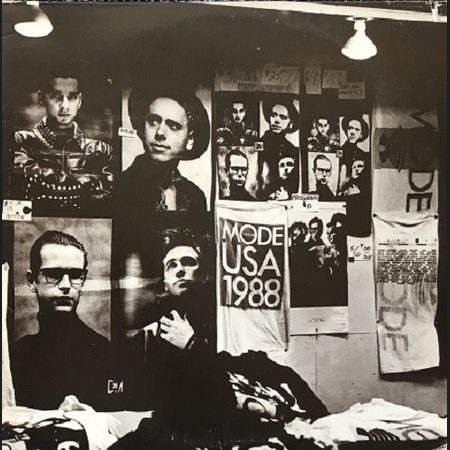
Radio Muerte selection · Today we're listening · 22 Sep 2026
Radio Muerte: An electronic group in front of 60,000 people: the moment machine music discovers it can also become mass liturgy.
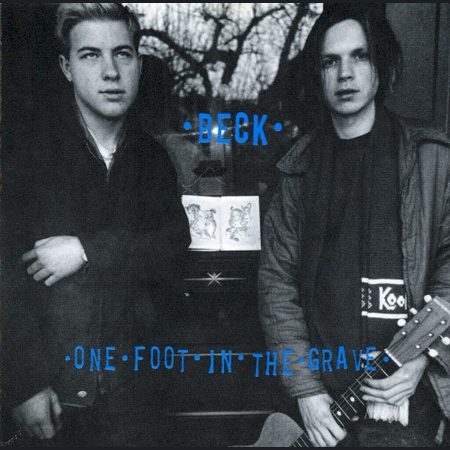
Radio Muerte selection · Today we're listening · 21 Sep 2026
Radio Muerte: Before the genre-collage and the hits, this is what Beck sounded like: dusty folk, crooked blues and songs recorded as if no one were watching.
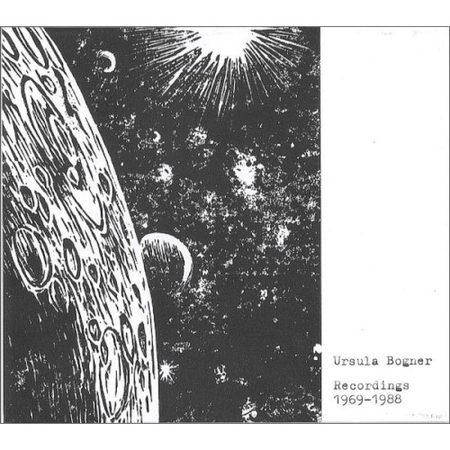
Radio Muerte selection · Today we're listening · 21 Sep 2026
Radio Muerte: Home-made electronic music, far from any scene: small private experiments that, decades later, finally found their future.
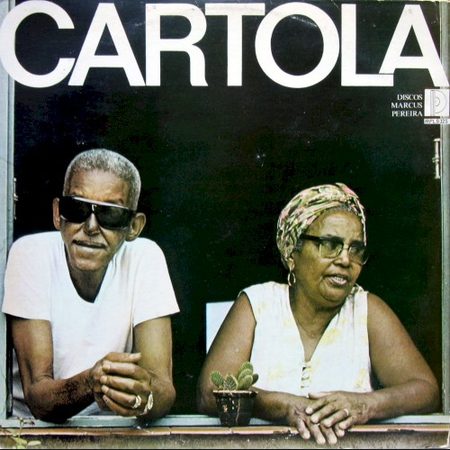
Radio Muerte selection · Today we're listening · 20 Sep 2026
Radio Muerte: Samba with no need to raise its voice: songs about love, time and loss that feel like they’ve always been there.
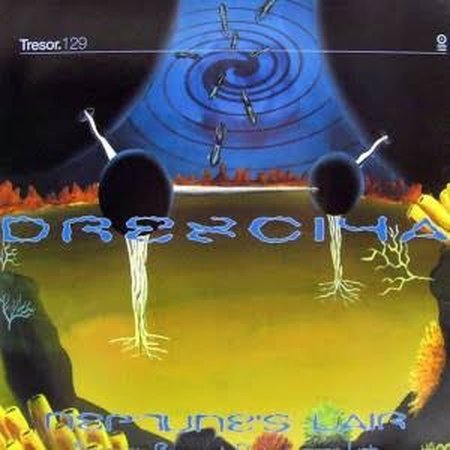
Radio Muerte selection · Today we're listening · 20 Sep 2026
Radio Muerte: Detroit underwater: techno, science fiction and a mythology of its own, built without asking the future for permission.
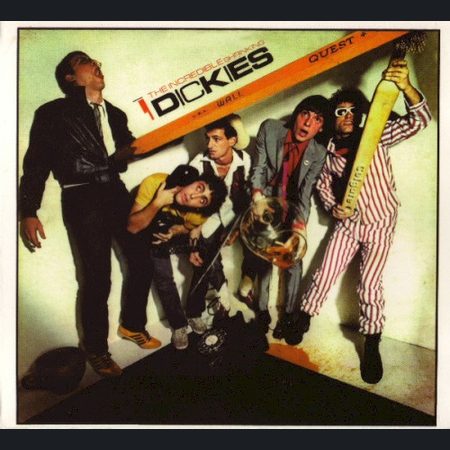
Radio Muerte selection · Today we're listening · 19 Sep 2026
Radio Muerte: Punk sped up until it’s almost a cartoon: short songs, impossible melodies and no intention of behaving seriously.

Radio Muerte selection · Today we're listening · 19 Sep 2026
Radio Muerte: Silence, improvisation and space: six songs that seem to discover their shape as they are being played.

Radio Muerte selection · Today we're listening · 18 Sep 2026
Radio Muerte: Tape, fractured rhythms and nuclear paranoia: the sound of an era convinced that something terrible was about to happen.
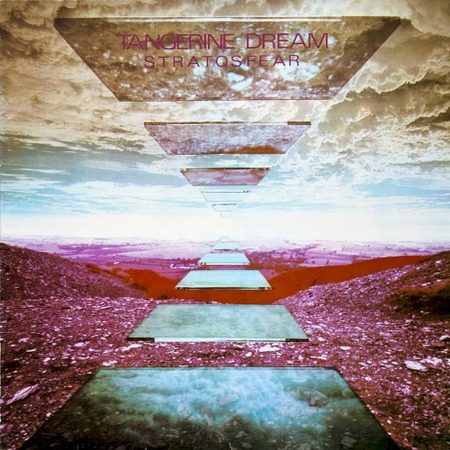
Radio Muerte selection · Today we're listening · 17 Sep 2026
Radio Muerte: Synthesizers looking towards a place that didn’t exist yet: four decades on, that future still feels strangely familiar.

Radio Muerte selection · Today we're listening · 17 Sep 2026
Radio Muerte: Electronic music that seems to remember its own shape while coming apart in front of us.
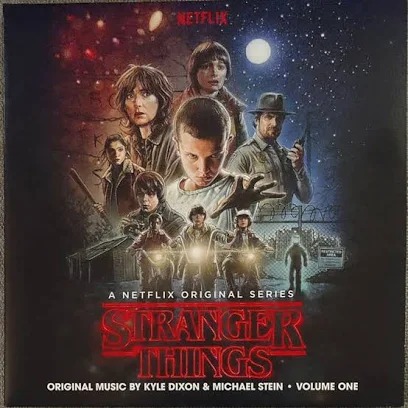
Radio Muerte selection · After reading · Nobody Has Ever Been to Hawkins
Radio Muerte: Because this is where Hawkins began to exist, before we learned how to remember it.
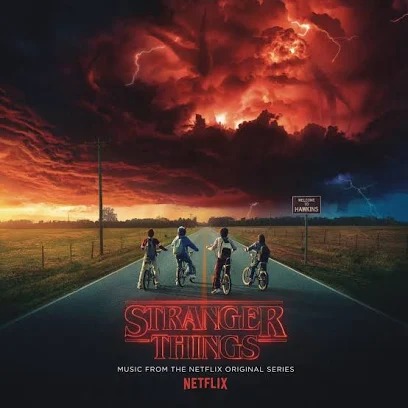
Radio Muerte selection · After reading · Nobody Has Ever Been to Hawkins
Radio Muerte: To go back to Hawkins when it was still a place we were only returning to for the second time, not a memory we'd spent ten years trying to get back to.
Radio Muerte selection · After reading · Nobody Has Ever Been to Hawkins
Radio Muerte: To hear the same electronic language outside Hawkins, before it had to carry our memories.
Radio Muerte selection · After reading · Nobody Has Ever Been to Hawkins
Radio Muerte: Because the sound that once imagined the future was already learning to remember the past before Hawkins existed.
Radio Muerte selection · Today we're listening · 16 Sep 2026
Radio Muerte: Electronic pop made from miniatures, interference and melodies that seem to arrive from a room that no longer exists.
Radio Muerte selection · Today we're listening · 16 Sep 2026
Radio Muerte: Samba, soul, psychedelia and orchestral arrangements brought together on a record that had to wait decades to find its time.
Radio Muerte selection · After reading · Jamaican Dub: The Laboratory and the Jungle
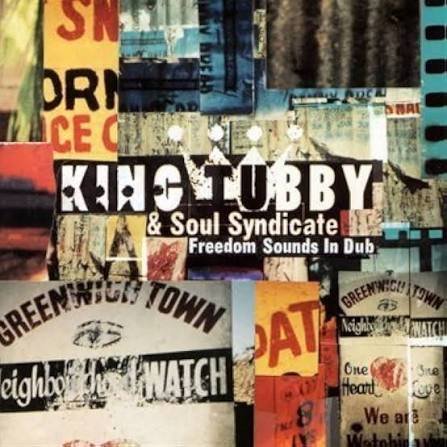
Radio Muerte: The homemade console and the echo left hanging, raised to a method of composition.
Radio Muerte selection · After reading · Jamaican Dub: The Laboratory and the Jungle
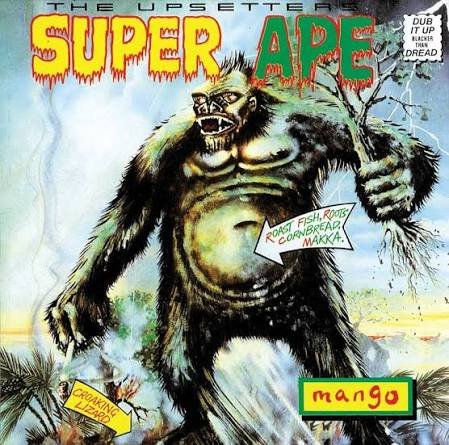
Radio Muerte: The studio as sonic jungle: Perry treats the tape as if it were wildlife.
Radio Muerte selection · After reading · Jamaican Dub: The Laboratory and the Jungle
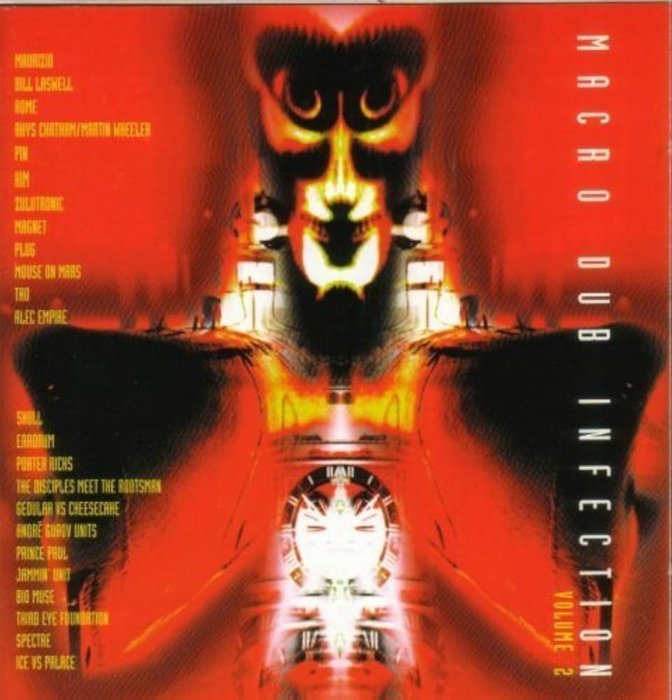
Radio Muerte: The record playing in the background at Móstoles in 1997: dub already travelling like a virus, hidden inside music that seemed to be about something else entirely.
Radio Muerte selection · After reading · Jamaican Dub: The Laboratory and the Jungle
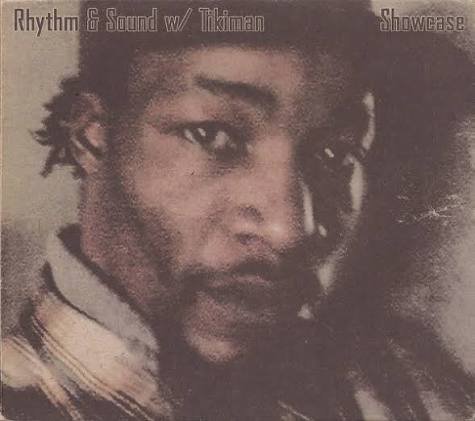
Radio Muerte: Tikiman's voice returning to the centre of the mix: the same live set that closes this article, in Barcelona.

Radio Muerte selection · After reading · Jamaican Dub: The Laboratory and the Jungle
Radio Muerte: Dub becomes concept and character — the engineer as the record's protagonist.
Radio Muerte selection · After reading · Jamaican Dub: The Laboratory and the Jungle
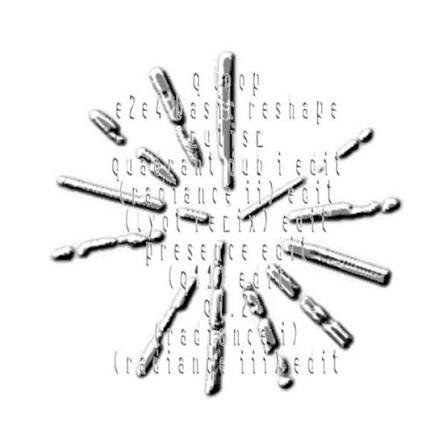
Radio Muerte: Berlin inherits Kingston's space and echo and stretches them into minimal techno.
Radio Muerte selection · After reading · Jamaican Dub: The Laboratory and the Jungle
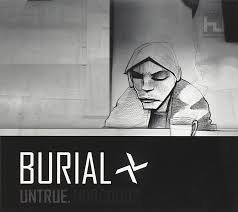
Radio Muerte: King Tubby → Basic Channel → Burial: not the same genre, but the same question about space, absence and echo.
Radio Muerte selection · After reading · Jamaican Dub: The Laboratory and the Jungle
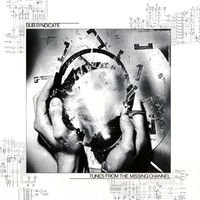
Radio Muerte: Sherwood carries Prince Far-I's grammar into the urban collapse of eighties England — a relationship embedded in the group's very name.
Radio Muerte selection · After reading · Jamaican Dub: The Laboratory and the Jungle
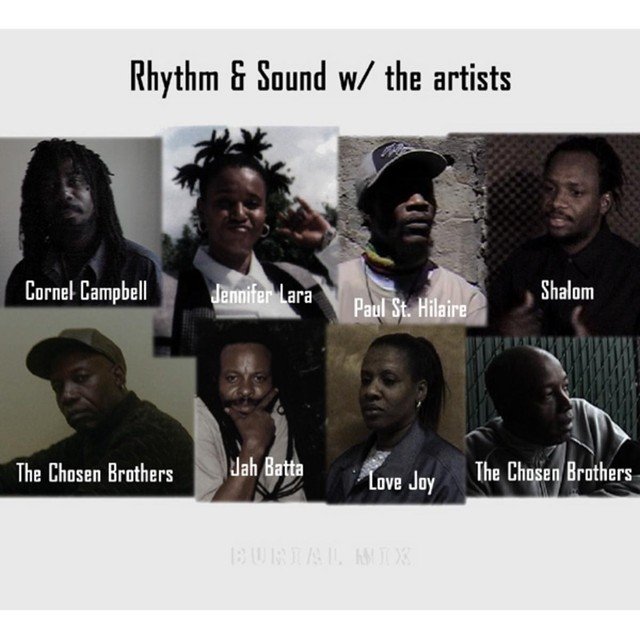
Radio Muerte: Jamaican dub passes through Berlin and comes out transformed: Mark Ernestus and Moritz von Oswald surround the voices of legends like Cornell Campbell, Jennifer Lara and The Chosen Brothers with abyssal bass, echo and vast empty space.
Radio Muerte selection · After reading · Jamaican Dub: The Laboratory and the Jungle
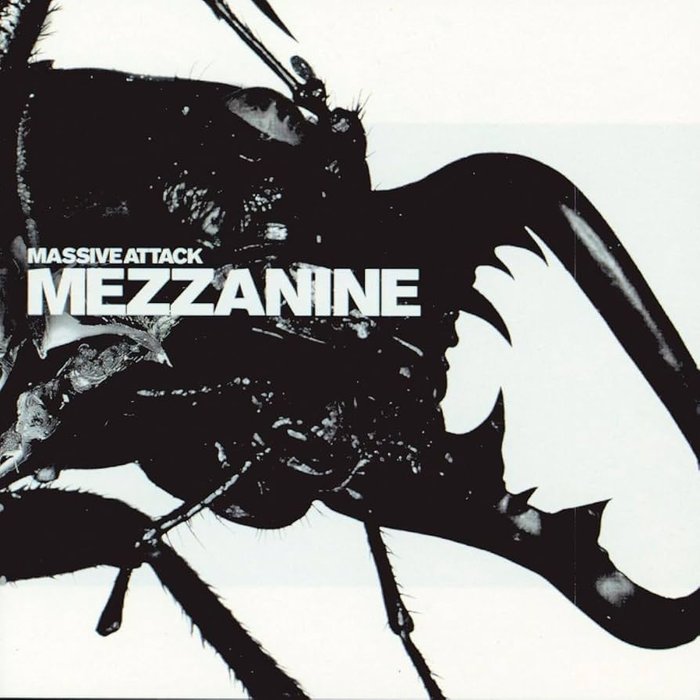
Radio Muerte: Bristol built entirely on dub's bass technique and production — the most direct connection on the whole list, and for that reason the most debatable.
Radio Muerte selection · After reading · Spacemen 3: After the Trip
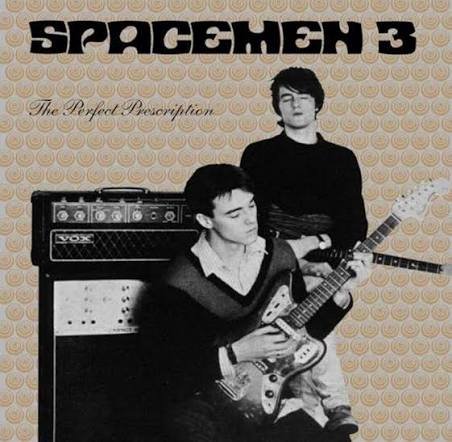
Radio Muerte: The moment limitation starts turning into language. Spacemen 3 walked into the studio with more possibilities, recorded layers of guitars, and ended up stripping them back down. This is where you can hear one of the essay's central ideas: doing more doesn't necessarily mean using more.

Radio Muerte selection · After reading · Spacemen 3: After the Trip
Radio Muerte: The record where the shared language starts holding two futures at once. The brutal repetition of "Revolution" and "Suicide" sits alongside the suspension of "How Does It Feel?" and the spirituality of "Lord Can You Hear Me?" Kember and Pierce are still in the same band, but they no longer seem to be looking in exactly the same direction.

Radio Muerte selection · After reading · Spacemen 3: After the Trip
Radio Muerte: Psychedelia turned into medication. Pierce pushes his expansive path much further: gospel, noise, blues, melody, space, accumulation. Even the physical object — packaged like a drug — turns the music into something that seems designed to produce an effect on whoever listens to it. The record is still available in Spiritualized's official catalogue.

Radio Muerte selection · After reading · Spacemen 3: After the Trip
Radio Muerte: Kember's circle closes by returning to the small scale. The opening bars of old singles by Eddie Cochran, The Everly Brothers, or The Drifters become small loops on which new music is built all over again. Forty years after Rugby, a few seconds are still enough material. Domino confirms the album came out on August 12, 2022, and describes exactly this procedure.
Radio Muerte selection · After reading · Spacemen 3: After the Trip
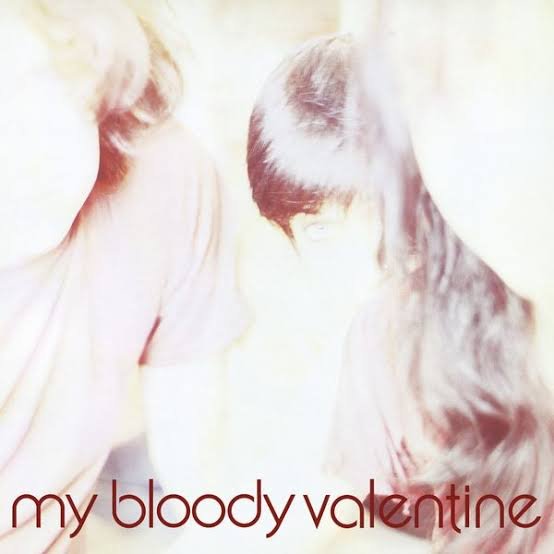
Radio Muerte: Kevin Shields picked up the idea that a guitar could stop functioning like a guitar. Noise, repetition, and distortion no longer as ornament, but as material capable of altering perception. With My Bloody Valentine, that intuition found a new language.
Radio Muerte selection · After reading · Spacemen 3: After the Trip
Radio Muerte: Bardo Pond pushed repetition and drone into even more physical territory. The songs seem to matter less than the state they produce: volume, duration, and distortion used to stay inside the sound until it begins to transform.

Radio Muerte selection · After reading · Spacemen 3: After the Trip
Radio Muerte: Anton Newcombe picked up a good part of Spacemen 3's DNA — garage, sixties psychedelia, drones, repetition — and turned it into the starting point of his own universe. Not a copy of the past, but another way of putting it back into circulation.
Radio Muerte selection · After reading · Spacemen 3: After the Trip
Radio Muerte: A generation later, Wooden Shjips proved the formula still worked: few chords, organ, fuzz, and a stubborn rhythm that seems to have no interest in getting anywhere. Repetition stops accompanying the song and becomes the very reason to listen to it.
Radio Muerte selection · After reading · Spacemen 3: After the Trip
Radio Muerte: A duo that stops seeing eye to eye and ends up recording separately, releasing the result as a record split into two halves, one author each — exactly the gesture of Recurring, but thirty years later and at the opposite end of the genre map.
Radio Muerte selection · After reading · The Impossible Nostalgia of Boards of Canada
Radio Muerte: Childhood starts to turn frightening. Religion, numerology, and a sinister undertow that refuses to sit quietly as background music.
Radio Muerte selection · After reading · The Impossible Nostalgia of Boards of Canada
Radio Muerte: They swap the sampler for the guitar: more summery, almost pastoral, as if the campfire in the title were literal. The most underrated of the first three.
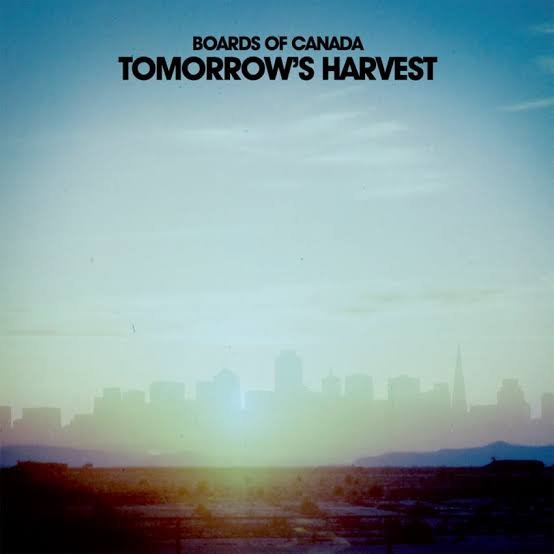
Radio Muerte selection · After reading · The Impossible Nostalgia of Boards of Canada
Radio Muerte: They return after seven years with low-budget seventies science fiction. Cold synthesizers, post-apocalyptic sunsets. Nostalgia that's no longer just personal, but geological.
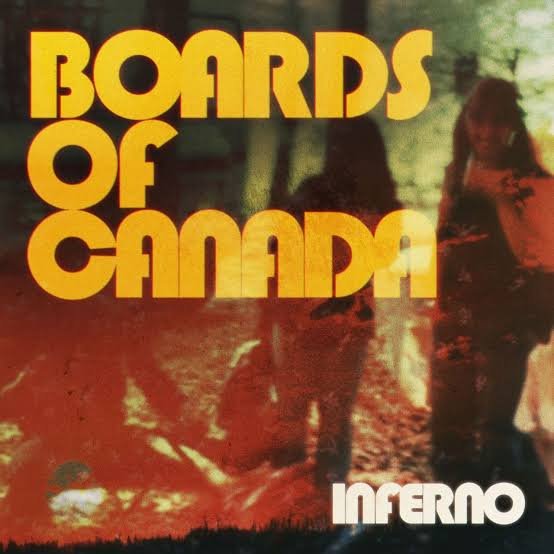
Radio Muerte selection · After reading · The Impossible Nostalgia of Boards of Canada
Radio Muerte: The comeback, thirteen years on: live guitars, televangelist voices, biblical imagery, and a gothic streak nobody knew they had. The least comfortable record they've made.
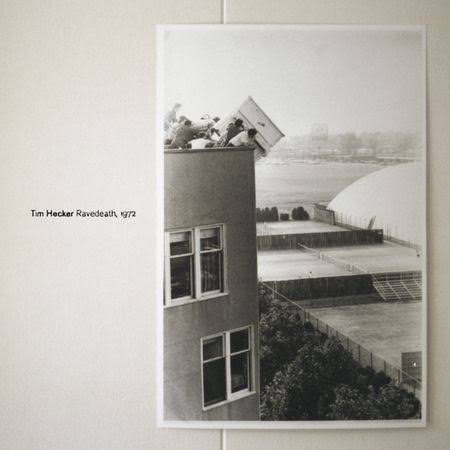
Radio Muerte selection · After reading · The Impossible Nostalgia of Boards of Canada
Radio Muerte: Church organ dissolving into noise and fog; the same sense of something beautiful disappearing in real time.
Radio Muerte selection · After reading · The Impossible Nostalgia of Boards of Canada
Radio Muerte: 1920s dance halls coming undone bit by bit, like hearing memory get lost from the inside.
Radio Muerte selection · After reading · The Impossible Nostalgia of Boards of Canada
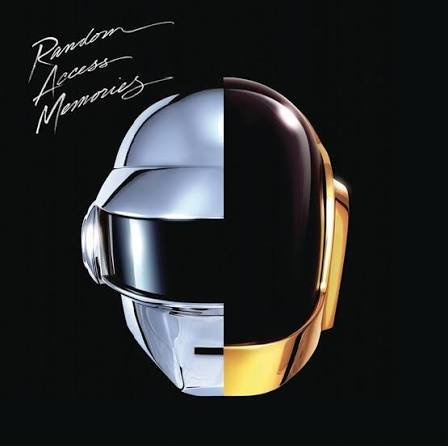
Radio Muerte: The euphoric flipside of the same thesis: Daft Punk chasing, with orchestra and studio disco, the same nostalgia for a future already gone that Boards of Canada hunts for in degraded tape. Different shine, same longing.
Radio Muerte selection · After reading · Kraftwerk: The Man-Machines and the World They Built
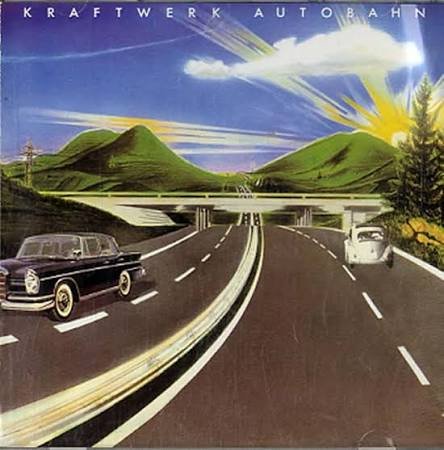
Radio Muerte: Autobahn (1974) stretches a car engine out over twenty-three minutes and somehow makes it sound like all of Germany passing by the window, mile after mile, without ever naming history outright.
Radio Muerte selection · After reading · Kraftwerk: The Man-Machines and the World They Built
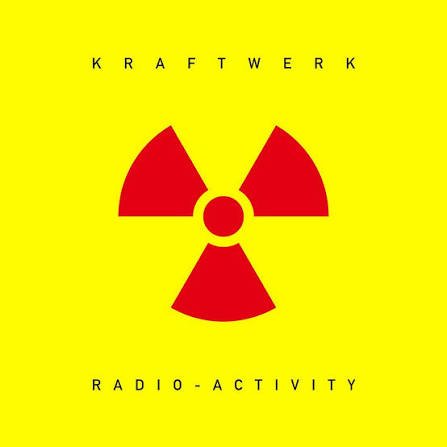
Radio Muerte: Radio-Activity (1975) plays on a double-edged title: it sounds like clean radio waves while hiding the other meaning, the one nobody in 1975 Germany wanted to say out loud. Half a century later, it's still unclear whether it's an optimistic record or a warning.

Radio Muerte selection · After reading · Kraftwerk: The Man-Machines and the World They Built
Radio Muerte: The record that turned the European night train into a machine for writing continental identity: borders, languages, and shared tracks summed up in a vocoder.

Radio Muerte selection · After reading · Kraftwerk: The Man-Machines and the World They Built
Radio Muerte: Computer World (1981) arrived when the computer was still science fiction, and today it sounds less like prophecy than a statement of fact. "Computer Love" proves they knew machines weren't going to replace desire, only relocate it.
Radio Muerte selection · After reading · Kraftwerk: The Man-Machines and the World They Built
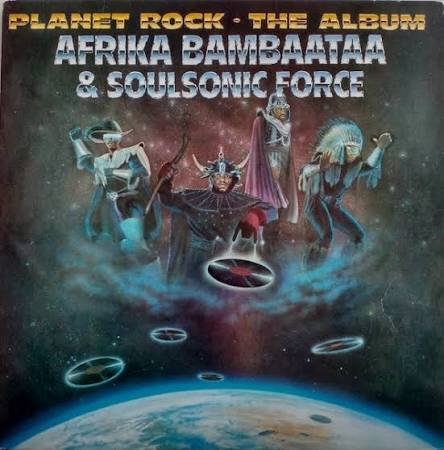
Radio Muerte: The single that took Kraftwerk's vocabulary and transplanted it to the Bronx, joining Düsseldorf's minimalist electronics to a hip hop that was just being born.

Radio Muerte selection · After reading · Kraftwerk: The Man-Machines and the World They Built
Radio Muerte: Juan Atkins picking up that same electronic inheritance to build, from Detroit, the foundational vocabulary of techno.

Radio Muerte selection · After reading · Kraftwerk: The Man-Machines and the World They Built
Radio Muerte: Devo arrived at the same diagnosis from the opposite door: where Kraftwerk dressed dehumanization in European elegance and synthesizers, Devo dressed it in coveralls, guitars, and American satire. The same body turned machine, seen from punk instead of the laboratory.