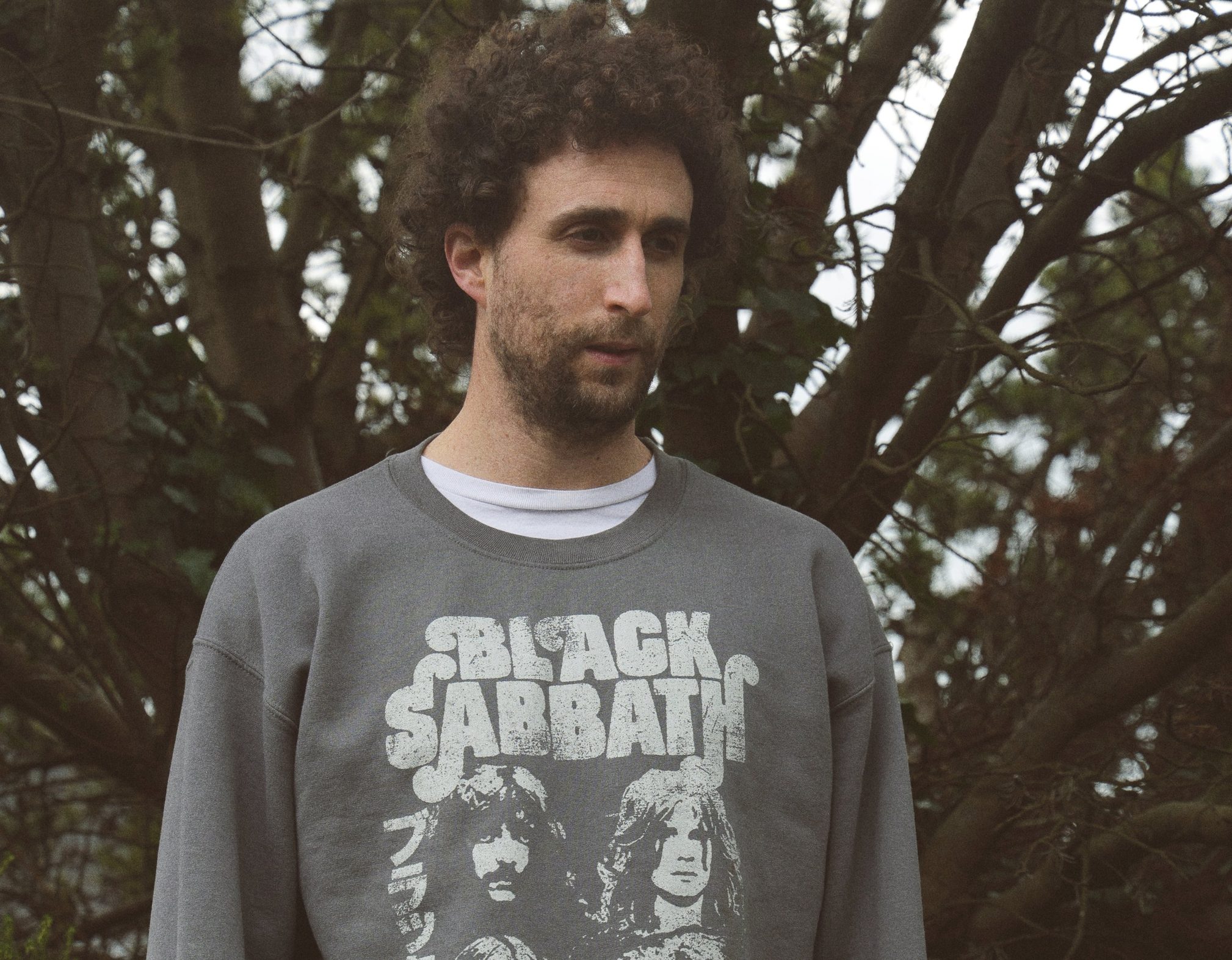
I first heard Saru l-Qamar in 2024. I knew the name A Lily, but I had never stopped to listen properly. There were voices that seemed to arrive from very far away, muffled laments, words I didn't understand and electronic sounds that were almost comforting. I remember thinking the record was haunted.
They weren't threatening. There was something familiar about those voices, even without understanding the language: hesitations, shifts in tone, ways of drawing out a word. At times it sounded as if someone were singing to themselves; at others, as if they were trying to make themselves understood by someone thousands of miles away. Later I found out that, in many cases, that was exactly what was happening.
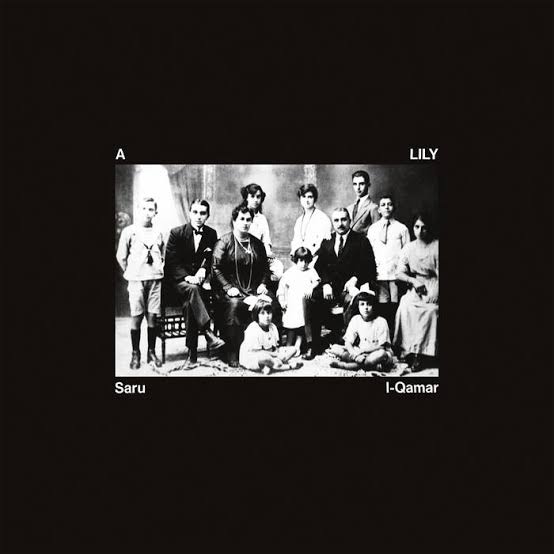
From the 1960s onwards, many Maltese emigrants who had settled in the UK, Australia or North America recorded news, advice and songs — often għana, Malta's traditional folk song — onto reel-to-reel tape and later cassette, and posted them to their families. Some of those tapes have survived thanks to Magna Żmien, a Maltese foundation that digitises home recordings and films. James Vella began working with that archive in late 2022, and in April 2024 he released Saru l-Qamar. The title means "They became the moon".
His family knew the practice from the inside. His parents left Malta for England, where he was born, and a generation after those audio tapes they were sending VHS tapes back to the island. James also has recordings of his grandparents. He had said that he always wanted to make music with them, but that the memories still felt too heavy to turn into a record. We asked him what changes when the voice in your headphones belongs to a stranger.
"The sense of heaviness comes from my grandparents' passing. I was very close to them. And was in my 30s when they left us, so I had lots of life with them. I still think of them often. That's why the use of their voices has never felt appropriate for my music. They were so important to me and reducing these precious memories to tools in my creative practice has never felt right. It may do one day, but not yet. So I used the voices of strangers. I was able to emotionally distance myself enough from them and to hear their stories without aching in the heart."
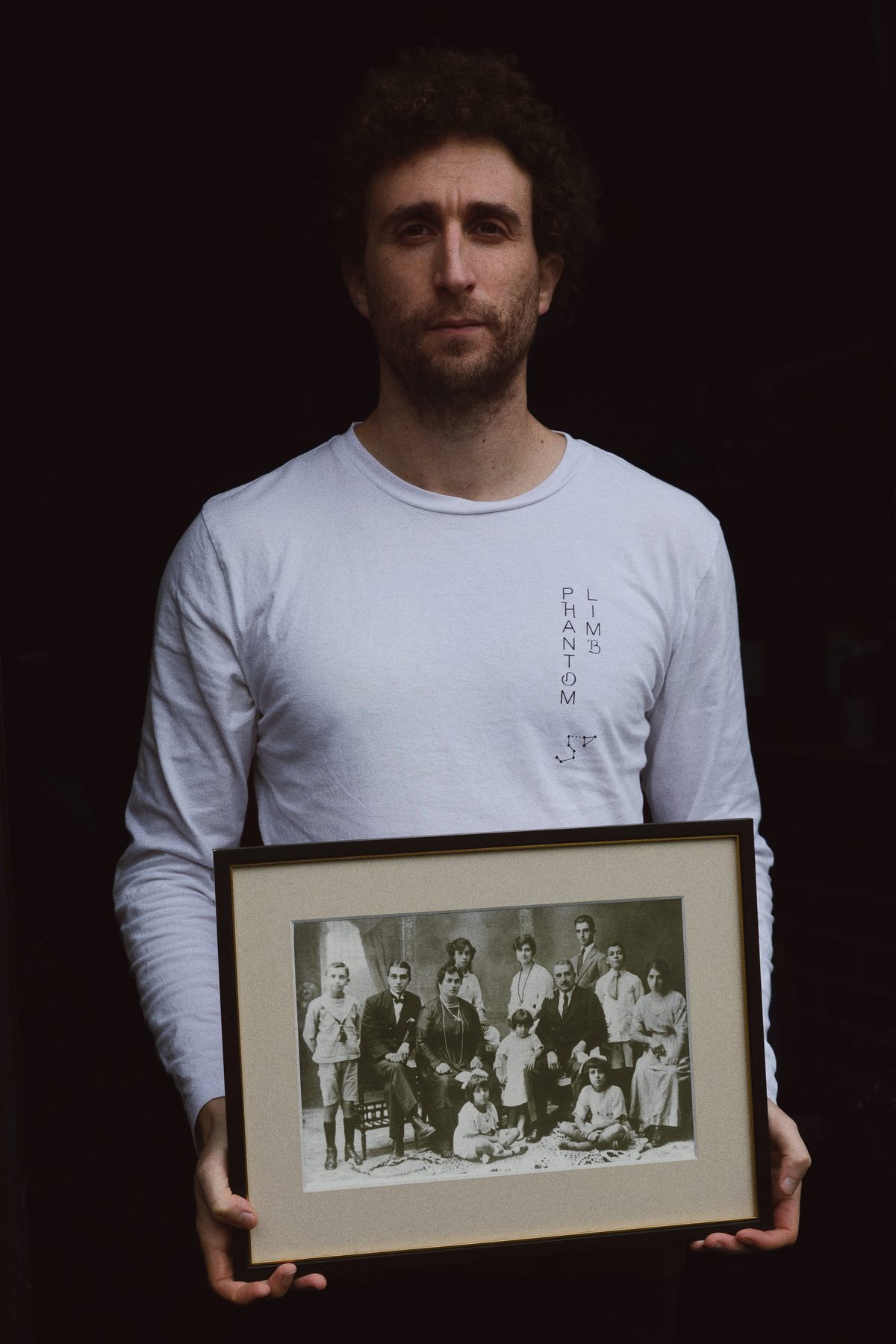
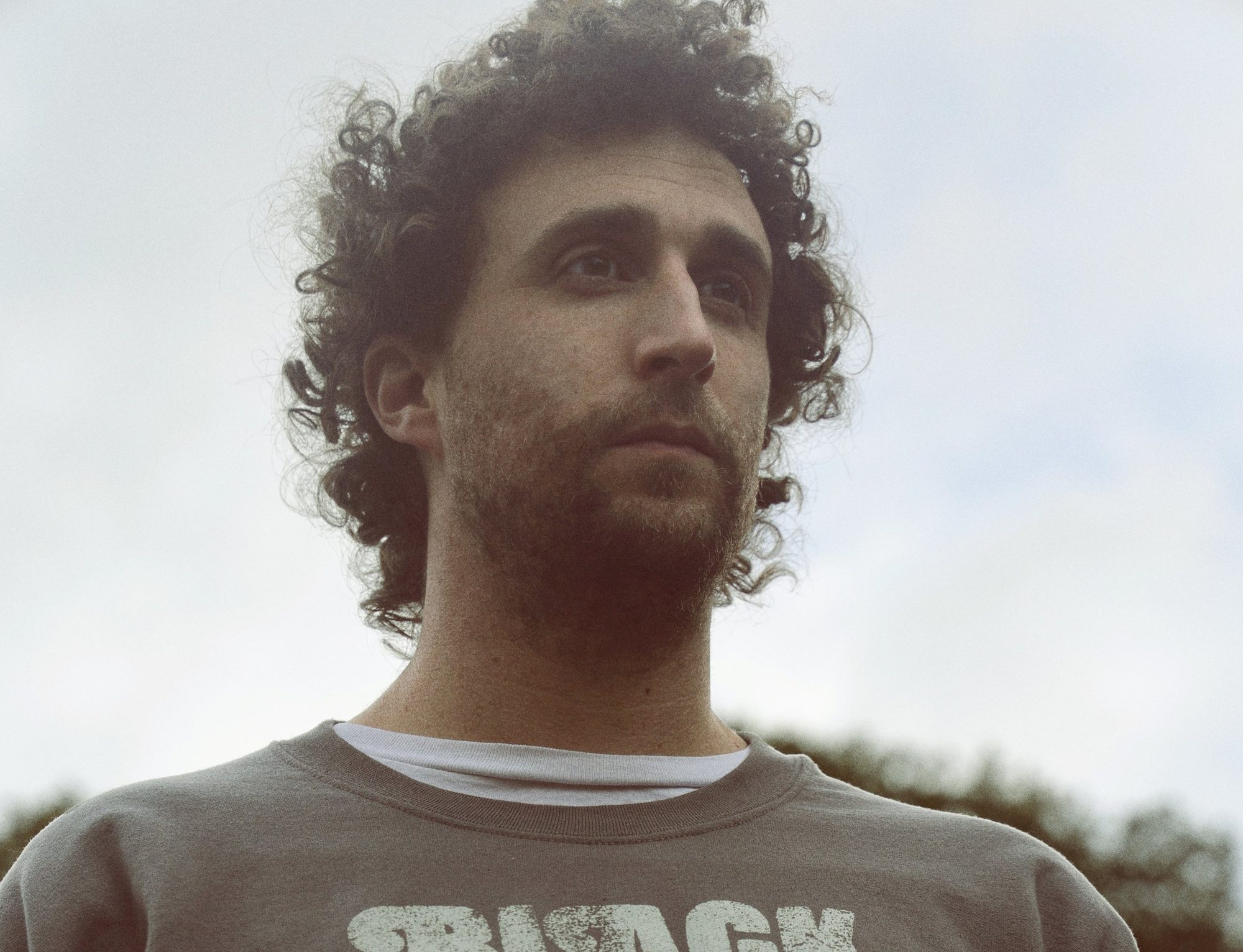
James Vella was born in England to a Maltese family and lives in Brighton. As a child he spent the school year in England and the summers at his grandparents' house in Malta, by the sea. In a 2024 interview with Bandcamp Daily, he recalled that this meant missing out on the gossip from the Maltese holidays and from the English school year: in both places, conversations carried on without him.
He has used the name A Lily since school and has been releasing records under it since 2006. He is a founding member of yndi halda, the post-rock band he formed in Kent with schoolfriends in 2001, which is still active. For eight years he worked in A&R at FatCat Records — the part of a record label that finds artists and looks after their records — and in 2017 he founded Phantom Limb, the label he has run ever since.
“They were so important to me and reducing these precious memories to tools in my creative practice has never felt right.”
Did those years spent listening to other people's music change the way he listens to his own?
"It did. In some ways it made it harder. FatCat at the time had three lead A&R directors, all with different tastes. The music I made at the time changed around a lot depending on the records and sounds I was working on.
But it also helped refine my ear for exploratory and interesting expression. And though I already had a label, and had released records and toured the world with my band yndi halda, I wouldn't be making the music I am now, nor working in the position I have now if not for that experience."
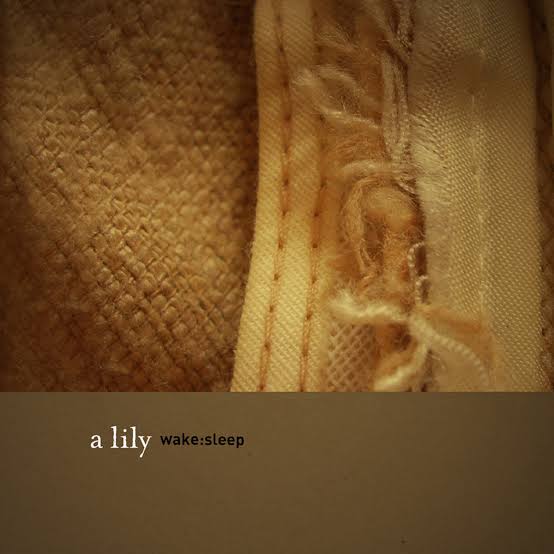
In June 2026, Phantom Limb reissued wake:sleep, A Lily's first album, for its twentieth anniversary, adding three pieces from the same period that had been left off. But James had already gone further back, to the music he recorded before he had released anything at all.
And he found it while looking for toys.
He was in his old bedroom at his father's house, looking for something his young daughter could play with. In some boxes he came across a few CD-Rs he had made while he was at school: electronic music made on the family computer between 2001 and 2004, using cracked software. Shortly before, he had paid a data recovery company to rescue that same music from some old hard drives, without success. What we didn't know was what had convinced him it deserved to be released.
"The memories of writing it. As soon as I hit play I was instantly transported back to adolescence. To coming home from school, itching to get back onto the family PC to continue working on music. I used to take half-finished songs to school on my early mp3 player and make notes on them over lunch. Learning how to make music on the computer was such a consuming discovery, and it influenced my entire life and its journey.
Recalling those moments so vividly was a beautiful experience. It felt right to make it into a release. It took some work to find an album worth of listenable material, as much of it sounds like a kid messing around on the family computer, but I'm glad there was some music of reasonable quality in there."
So Virgin Stoner: Works 2001–2004 came out in November 2024, with eight of those pieces. Not a particularly sophisticated preservation strategy, but this time it worked.
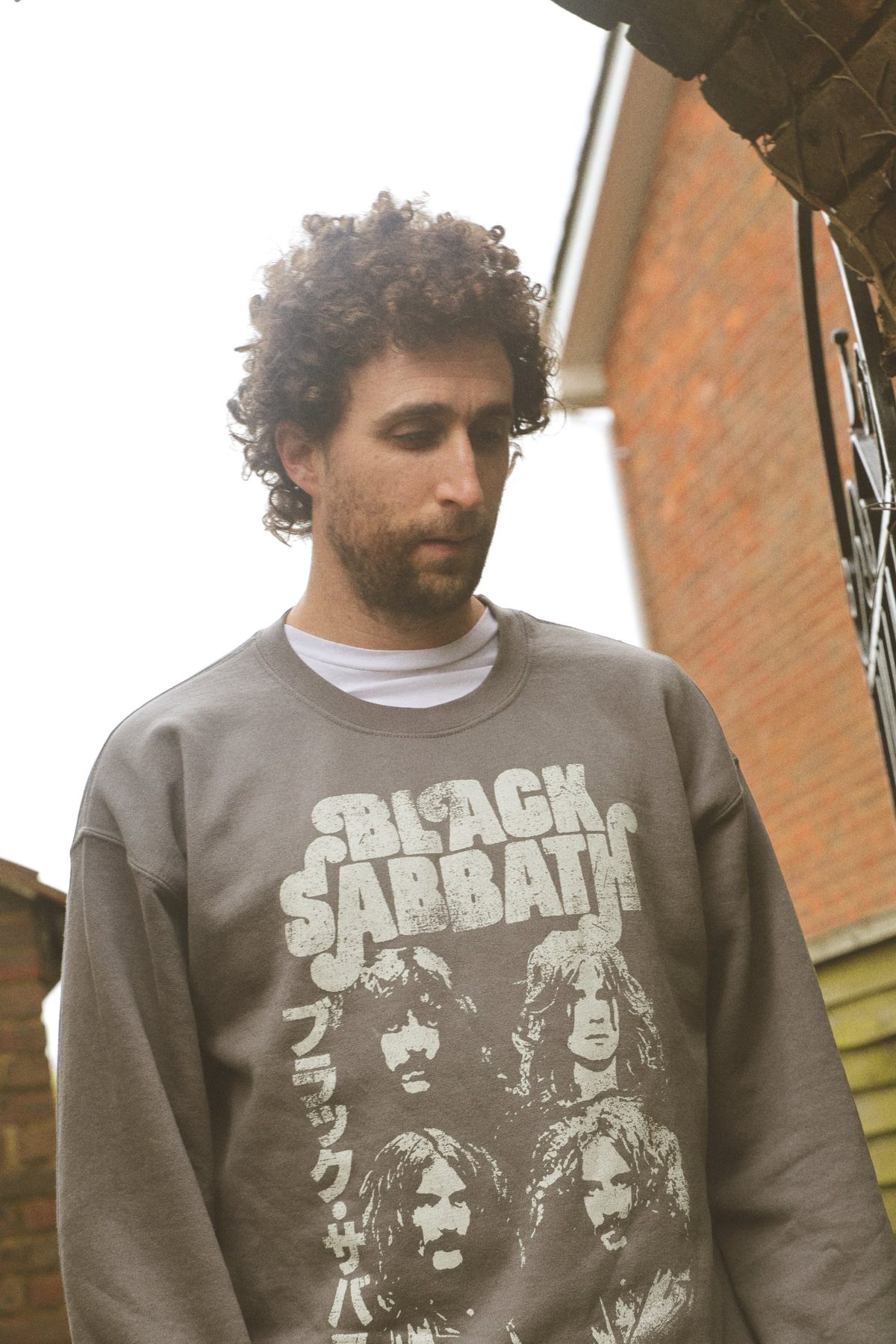
In 2013, James was working on an album called Roma, meant to follow Lupa, an EP released that same year. In an interview at the time he said he still had weeks of work left. The album never appeared.
"I haven't thought about that record in some time. I stopped writing solo music for a short period after the death of a friend and football teammate. I had lots of music written and recorded for Roma, which was intended to be a sequel to my earlier record Lupa, but after Dave passed away it didn't feel right. I was still playing in bands and writing with other musicians, but I never finished Roma. One or two of the songs ended up broken up and reused on my later record Id-Dar Tal-Missier, but the others will probably remain unreleased."
Around that time he was also writing fiction. In 2014 he published Devourings, a collection of sixteen short stories, and was working on a novel. Was he still writing?
"I do, but much more slowly now. I completed that novel but couldn't find a publisher for it. I have written another novel since, which is in a draft state now and has been for a couple of years. I'll get back to it eventually. But now as the father of two young children I have to keep time for writing music and that has to take priority. I recently published two short stories (Jazz and In Love with Kenny Spokes), and I remembered how much I love the work and the process, but I rarely have time for it now."
“Some of the others are names I imagined for people who appear unnamed in press photographs.”
In 2017, A Lily released Ten Drones on Cassette: ten long pieces recorded in April and May, each bearing a person's name, put on sale as one-of-a-kind cassettes, one piece per tape. Three came with a Walkman. Each buyer took home something nobody else had. Months later, the Greek label Sound in Silence gathered them on a CD in shortened versions.
While researching the project I found the names, but I couldn't work out who those people were.
"Some of them are friends. Hildur, Didem, Layla – all people I've met through playing music and have become meaningful inspirations in my creative life. Those songs are for those people. Others – Miles (Davis) and Zadie (Smith) – are named after creatives I have never met but deeply respect. Some of the others are names I imagined for people who appear unnamed in press photographs. Each track is written for the person named in the title."
Phantom Limb has just released The Oil in the Nest: The Recorded Works of Saint Coltrane, which collects the recorded work of a band James formed more than ten years ago. It also includes the songs the band released in 2012 on a seven-inch single shared with the American band Weird Wives.
"In my early 20s I lived with a few of my closest friends. We were all musicians, all with similar tastes in music and mostly playing in the same bands. We lived together, played on the same football team, listened to the same records, and drank the same booze. It was pretty inevitable that we began writing music together.
It was my idea – I wanted to make some heavy music after a few years dedicating my songwriting time to A Lily and yndi halda. So I asked Olly, who also plays in yndi halda, and Alastair, with whom I had played in another band, to start Saint Coltrane. At first we wanted to call it Goner but we started writing music too heavy for a joke name so we came up with a deeper one.
It was a great experience but the band didn't last long. After so many years I realised that I still love the work we did, and now with Phantom Limb able to offer a platform for our recordings, we took the opportunity to release them for the first time."
By bringing the recordings back, Vella can listen again to what they made. The rest belongs to the lives they went on to lead.
“I think I wanted to hear music of which I already held a generational memory, like it was passed down to me with my bloodline.”
James has mentioned that some of his ancestors were composers. A few years ago, in his grandfather's archive in Malta, he found recordings of their music that he had never heard.
"It was a beautiful discovery. I think I wanted to hear music of which I already held a generational memory, like it was passed down to me with my bloodline. It wasn't that, but it was still fascinating to hear. I archived the recordings here."
While preparing this interview I went back to Saru l-Qamar several times. Now I knew a little more about the voices that live in it.
The one that opens the record belongs to a woman identified on the tape only as Żeżina. Vella knows almost nothing about her. She sings a lament for a lost love, and at one point she tells the man that ever since he grew a moustache he has turned naughty, so she'll grab it, cut it off and sell it. Not the kind of image you expect on an ambient electronic record. The piece is called "Żeżina Ddoqq is-Sħab", "Żeżina performs the clouds".
In "Erba' Aħwa", Vella took the voice of a man addressing his daughter and multiplied it into four lines, to tell the story of four brothers who leave Malta for different countries. In "Kemm Nixtieq Li Qed" — something like "how I wish it were so" — he worked with a phrase that, he says, came up again and again on those tapes: how much I wish I were in Malta.
Those recordings weren't made for an audience. They were messages for particular relatives: a piece of news, a song, a greeting. Their meaning depended on someone recognising the voice. They weren't valuable for their sound quality, but because they held a voice someone was waiting to hear.
James Vella has made a record with some of those voices. He has also released the music of his teenage years and the recordings of an old band. But there is one recording of his of which only a single copy exists.
For his daughter's first birthday he recorded a song in Maltese and pressed it on vinyl. We asked him why only one.
"Only one copy because it's for my daughter and no-one else. It remains one of the most important gifts I have ever given her. I showed it to her again recently and she threw her arms around me and said 'dada I will love you forever' and I remembered again why I will never release it to the world. It's just for her."