We would need a lot more space.
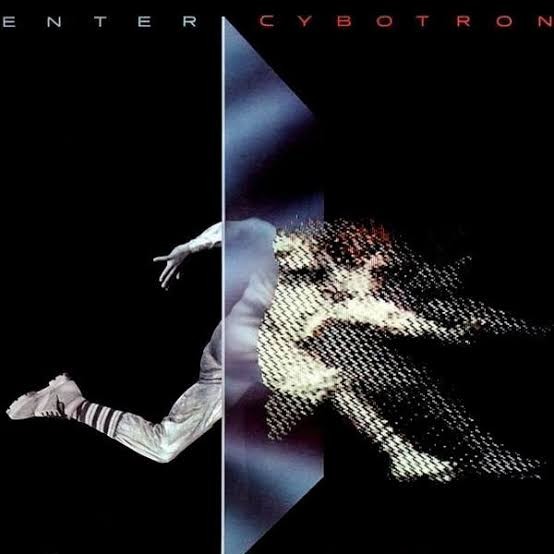
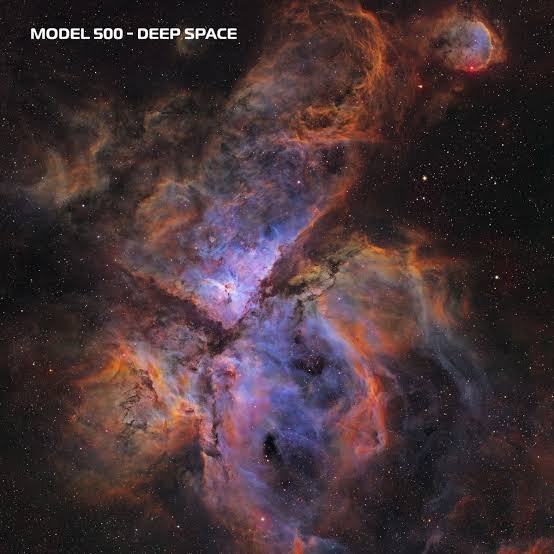
More space for Cybotron and Model 500, for Infiniti, Metroplex, 3MB and Borderland. For “Clear,” “No UFO's,” “Night Drive,” Deep Space. And even then we would leave out the hardest thing to explain: what someone's music can come to mean for a person who has spent half a lifetime looking for certain sensations in it.
Juan Atkins died on October 31 in Mexico City. He was 64 and had traveled there to perform. He was found unresponsive in his hotel and taken to a hospital, where he was pronounced dead.
Since then the inevitable words have been repeated: pioneer, visionary, godfather, inventor of techno. All of them contain some truth, and all of them end up falling short.
Especially the first.
There is something slightly unfair about the word pioneer. We use it as praise, but it is also a rather effective way of locking someone in the past. The pioneer arrives first, plants a flag and stays frozen in that moment while everyone else keeps moving.
Juan Atkins never stayed there.
A Darkened Room
Before Cybotron, before Model 500 and before the word techno meant what it means now, there was a teenager fascinated by a synthesizer.
The story begins, in part, with his grandmother, Lily. She played a Hammond B-3 and went to a shop called Grinnell's to buy sheet music and accessories. At the back they sold synthesizers. While she did her shopping, Juan drifted toward those machines.
It was Lily who ended up buying him a Korg MS-10. Atkins was about fifteen.
It is tempting to build a perfect genealogy in hindsight and say it all began with Kraftwerk, Parliament-Funkadelic or Yellow Magic Orchestra. He himself complicated that version many years later. He listened to all that music, of course, but his first relationship with an electronic instrument had been far more domestic: his grandmother's organ.
There is something slightly unfair about the word pioneer.
Then came Richard “Rik” Davis.
They met at Washtenaw Community College. Davis was about ten years older, a Vietnam veteran, a musician and a much stranger figure than the simplified accounts of techno's origins allow. Atkins had started recording his own tapes using the MS-10, two cassette decks and a small mixing desk. Davis heard those recordings and invited him to his house.
For years Atkins would remember the first time he walked into that room.
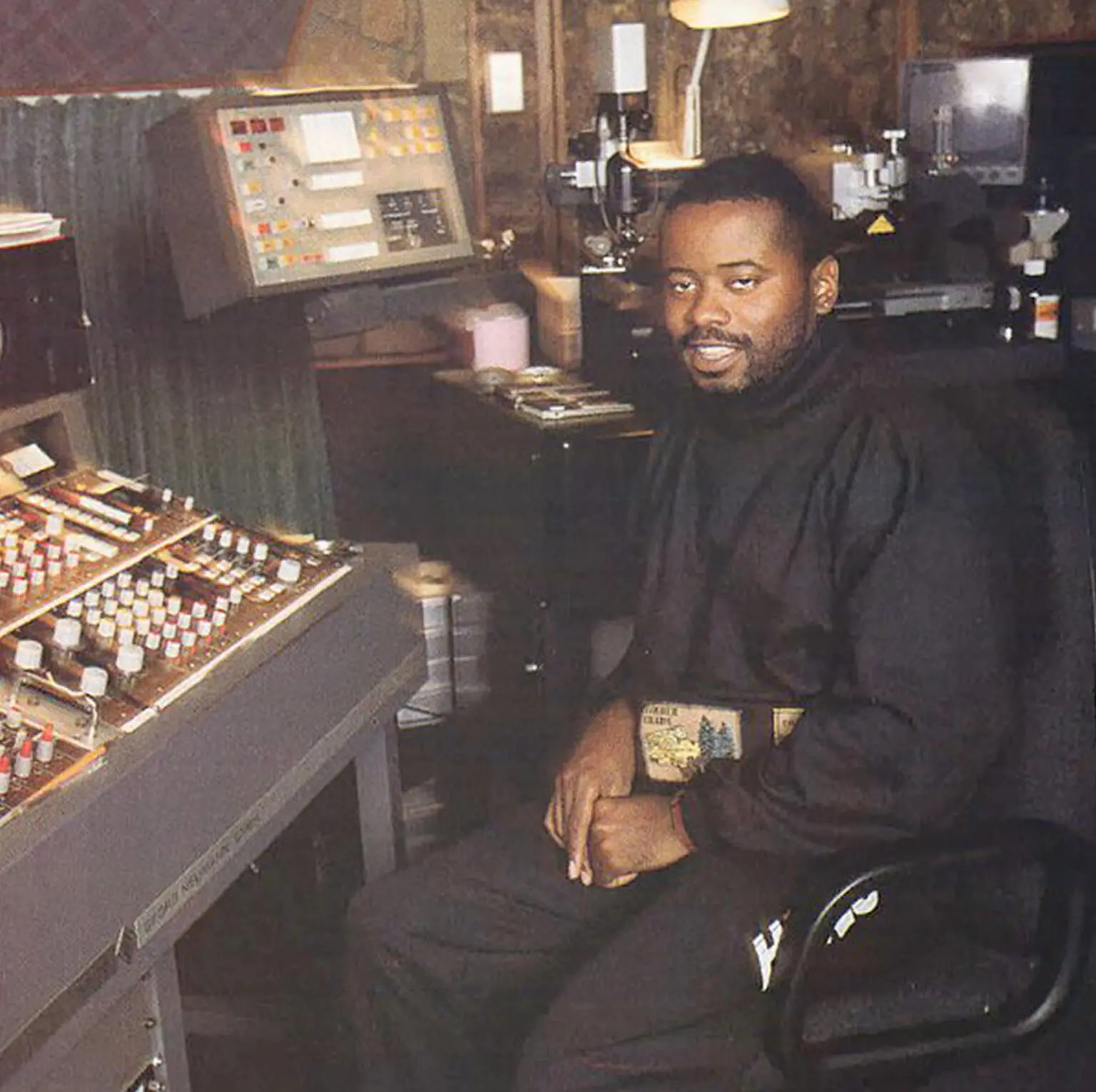
It was daytime, but Davis had the blinds down. Everything was dark. The only light came from the LEDs on the synthesizers and the rest of the equipment. Asked whether it looked like a spaceship, Atkins didn't hesitate: that was exactly what it looked like.
You have to try to look at that room from 1980 and not from 2026. A synthesizer could still seem like an object from another world: buttons, cables, oscillators, filters, and the suspicion that, if you found the right connections, you could produce something nobody had heard before.
That was exactly what Atkins was looking for.
With the MS-10 he even made his own percussion sounds. When he added a Roland TR-808 and a Sequential Circuits Pro-One and discovered he could trigger the sequencer from the drum machine, one of the first things he made was “Clear.”
Now we can listen to it knowing everything that happened afterwards.
They couldn't.
UFOs on Record
Atkins once explained his early fascination in a way that seems to contain much of his later work: he was drawn to those sounds because they seemed like UFOs landing on records.
He didn't simply want to reproduce with a machine what another instrument could already do. He wanted to know what the machine could do on its own.
Out of his partnership with Davis came Cybotron.
“Alleys of Your Mind,” “Cosmic Cars,” “Clear,” “Techno City.”
Listening to those records now requires a small exercise in amnesia. You would have to forget, for a few minutes, everything that came afterwards: Detroit, Chicago, acid house, the British raves, Berlin and four decades of producers using vocabularies that were still being invented back then.
“Clear” remains extraordinary precisely because of that. It contains something that has barely finished being born and yet seems to remember music that doesn't exist yet.
But the birth of techno was never the clean story we built afterwards.
There were no three young men staring at Detroit's factory chimneys until one day they decided to translate industrial decline into a drum machine. The reality was much less cinematic and much more interesting.
It contains something that has barely finished being born and yet seems to remember music that doesn't exist yet.
Atkins, Derrick May and Kevin Saunderson lived in Belleville, a suburb some forty kilometers from Detroit. They belonged to a generation of middle-class young Black men interested in clothes, cars, parties and European music as much as in the African American tradition. And above them all floated a voice in the night: The Electrifying Mojo.
On WGPR, Mojo could put Parliament-Funkadelic, Prince, Kraftwerk, jazz, soul, new wave and European electronics side by side without asking permission from the categories that were supposed to keep those musics apart. Many years later Atkins would put it quite bluntly: without Mojo, Detroit techno would not have existed.
There were also George Clinton and Bernie Worrell. Kraftwerk. Yellow Magic Orchestra. Gary Numan. The trips to Chicago. The Japanese machines. Richard Davis. Derrick May, Kevin Saunderson, Eddie Fowlkes and many other names that disappear when history needs to reduce a scene to three people and a photograph.
And there were the books.
In a class called Future Studies, Atkins had read Alvin Toffler. Future Shock. The Third Wave. The techno rebels: people capable of taking hold of new technologies instead of letting the technologies take hold of them.
The phrase must have stayed lodged somewhere.
No UFO's
Cybotron didn't last.
Atkins and Davis ended up going their separate ways, and in 1985 Atkins did something that, seen from here, seems almost as important as the records themselves: he founded Metroplex.
Then came Model 500.
“No UFO's” is still one of those recordings that explain more by being played than by having five hundred words written about them. The funk is there, but it seems reduced to its essential information. The space is there. The machine is there. The body is there. And there is that quality that would so often accompany Atkins: music built for dancing that seems to be thinking about something else at the same time.
Then would come “Night Drive (Thru-Babylon),” “The Chase,” “Interference,” “Starlight” and, years later, Deep Space.
And other names would come.
Infiniti wasn't exactly Model 500. Audiotech allowed another move. 3MB, with Moritz von Oswald and Thomas Fehlmann, opened a conversation between Detroit and Berlin that Borderland would extend decades later.
Seen from here, his aliases look less like different identities than vehicles built to explore different areas of the same territory.
A Record in Mérida
In 1988 something apparently minor happened that ended up having enormous consequences.
Britain's Neil Rushton was putting together a compilation of this new music from Detroit for 10 Records, a Virgin subsidiary. The project had initially revolved around the idea of presenting a house sound from the city. But Detroit wasn't Chicago, and some of its protagonists didn't think that described what they were doing.
The record ended up being called Techno! The New Dance Sound of Detroit.
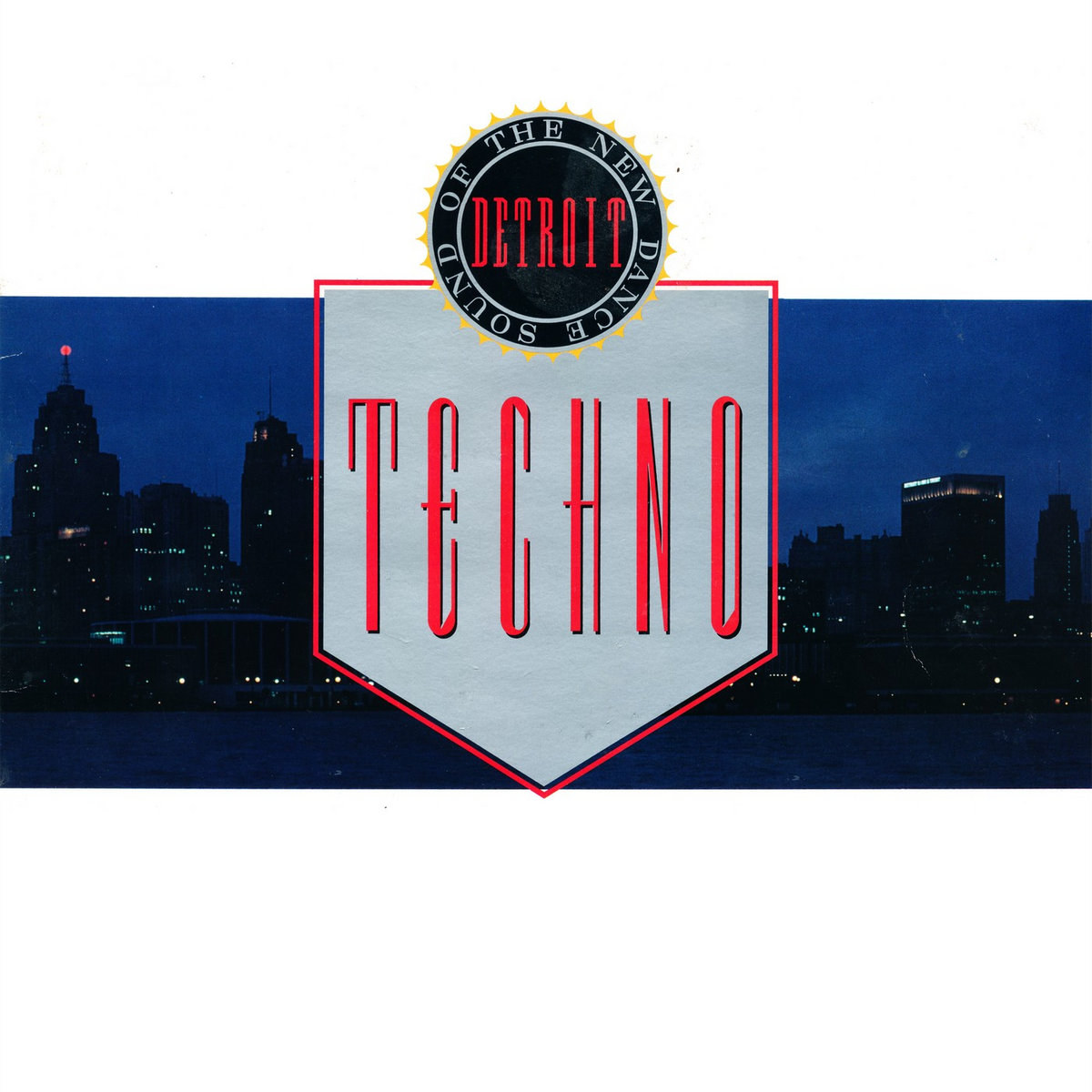
It featured Juan Atkins, Derrick May, Kevin Saunderson, Blake Baxter, Eddie Fowlkes and other producers. Atkins contributed “Techno Music.” A word that had been circling his ideas for years was starting to become the name by which Europe would learn to identify a music.
One of those copies ended up, I don't remember how long afterwards, in a record shop called Jammin, in Mérida.
And there it found its way into my hands.
I don't remember the first time I heard Juan Atkins. I remember something better: the time when I still didn't quite know who he was.
At first it was Derrick May and Blake Baxter who caught my attention. Juan came later and, what's more, he came hidden behind other names.
First Cybotron. Then Model 500. Metroplex turning up again and again.
Until I gradually pieced the map together and understood that behind several records that seemed to lead to different places was the same person.
That compilation changed something important in the way I listened to electronic music. Following bands or records was no longer enough. There were cities, labels, producers, aliases and underground connections; names that appeared on a label and led to another record, and from there to another. You had to learn to find your bearings.
I remember something better: the time when I still didn't quite know who he was.
Back then there was no tool that could rebuild the family tree in seconds, either. Names appeared on sleeves, credits, compilations, magazines or in conversations. You pulled the thread. Sometimes months could pass before you discovered that two apparently distant points belonged to the same drawing.
For me, Atkins was one of those drawings.
May 30, 2008
Twenty years after that compilation found in Jammin, I had my only chance to see Juan Atkins on stage.
It was Friday, May 30, 2008, at Primavera Sound, in Barcelona's Parc del Fòrum: open-air stages, the sea a few steps away, a guitar festival. That same night Devo, Cat Power, The Sonics and Nick Lowe were playing. So was Robert Hood, who had turned Detroit's inheritance into minimalism, and Ellen Allien, who came from Berlin, the other shore of that conversation.
Atkins was appearing as Model 500, the name he had by then turned into a live band.
The credits I had slowly gathered since Mérida ended up leading to a person on a stage. I thought I knew the map. But it was one thing to know the history of Juan Atkins and another to see that this history was still happening in front of us.
Person to Person
Kevin Saunderson has recalled it in recent days.
He finished his first production, “Triangle of Love,” with Juan beside him, showing him how to do it. He also helped Derrick May learn to mix.
It's a small detail compared with words like founder, visionary or architect of techno, but it explains his influence better.
The Detroit revolution happened this way too: person to person, between bedrooms, studios, record shops, radio booths and dance floors.
It was one thing to know the history of Juan Atkins and another to see that this history was still happening in front of us.
That generosity of the early years lived alongside something Atkins never lost either: curiosity. In October 2026, Hannah Pezzack asked him for Dekmantel × Patta Magazine whether he was thinking of retiring or slowing down.
Atkins replied that he would keep making music until he left this planet.
Then he added that maybe he would carry on a little longer.
Read now, it is almost impossible not to feel the temptation to turn the line into an omen.
That would be unfair.
It says something much simpler about him.
He was still thinking about making music.
Juan
I didn't know Juan Atkins. The grief belongs first of all to his family, his friends and the people who shared his life. But there is also that strange relationship we form with certain works when they accompany us for decades.
In my case it begins in a record shop in Mérida. It continues with names I couldn't connect at first. It passes through a May night in Barcelona.
We would need a lot more space.
Because after so many years it is hard to separate certain records from the person you were when you found them.
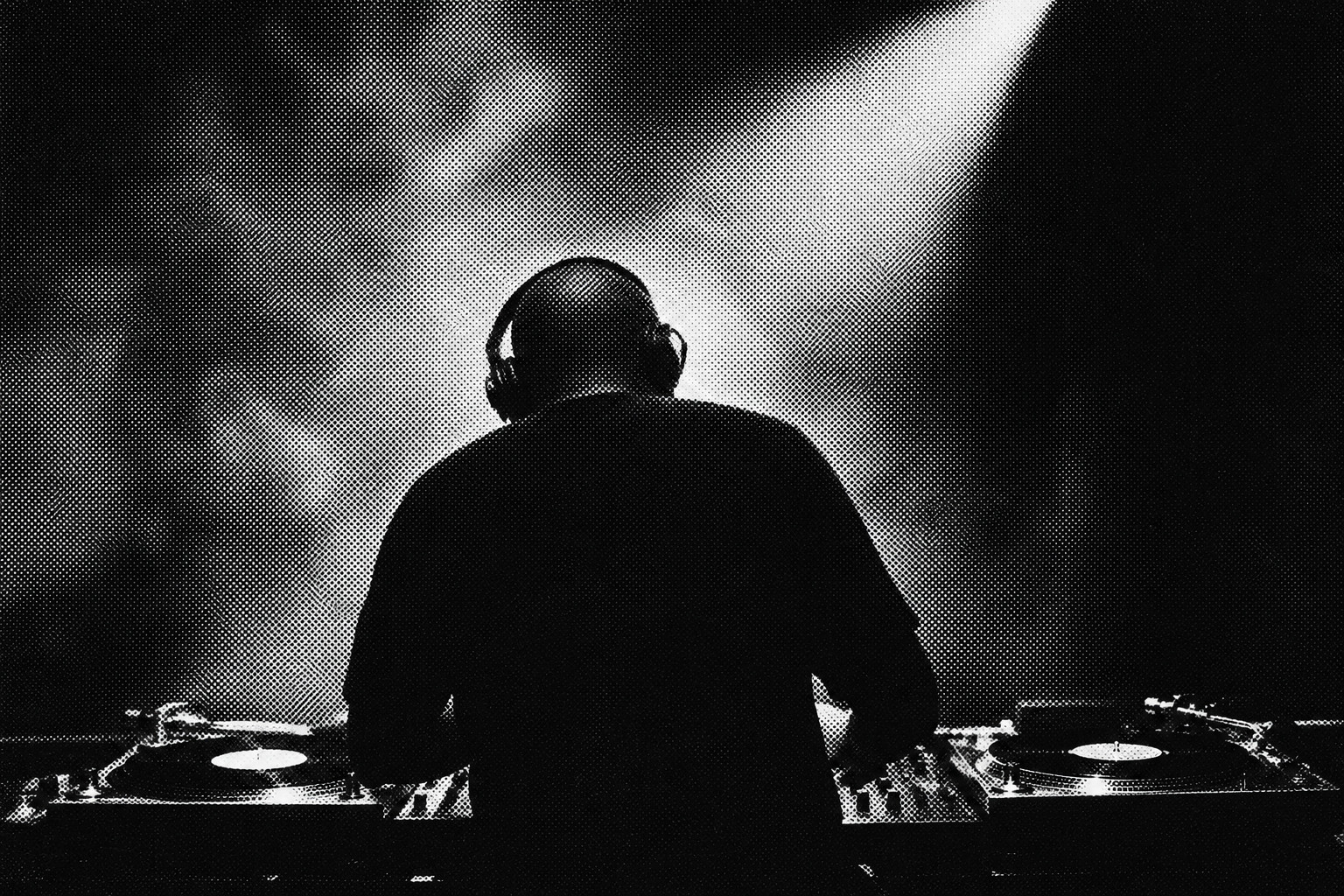
Juan Atkins died in Mexico City because he had traveled there to perform. That night he was going to keep doing what he had been doing for more than forty years. He was still carrying music no one had heard yet.
We have the records. And we have that room of Richard Davis's.
It is daytime, but the blinds are down. A young man walks in and takes a few seconds for his eyes to adjust to the dark. Synthesizers, cables, small lights glowing. It looks like the cockpit of a spaceship.
Cybotron doesn't exist yet. Metroplex doesn't exist. No one has written the story we know.
For an instant, the future remains intact.